Queer resistance, bold performances, and political rebellion collide in this acclaimed Colombian short film.
Flores del Otro Patio (Flowers from the Other Yard), the award-winning short film from director Jorge Cadena, is now streaming on Dekkoo.
Set in northern Colombia, the film follows a group of queer activists who use extravagant costumes, performance, and unapologetic self-expression to challenge environmental exploitation and social injustice.
A Festival Favorite with a Powerful Message
Blending queer identity, activism, and striking visual storytelling, Flores del Otro Patio has earned international recognition, including a European Film Awards nomination and a Special Jury Award at SXSW.
Rather than telling a conventional LGBTQ+ story, Cadena explores how queer visibility itself can become a powerful form of resistance.
At just 15 minutes, the film delivers a memorable combination of political commentary, artistic expression, and queer defiance.
Watch Flores del Otro Patio on Dekkoo
Whether you’re drawn to international queer cinema or adventurous independent filmmaking, Flores del Otro Patio is a compelling addition to Dekkoo’s growing collection of gay short films.
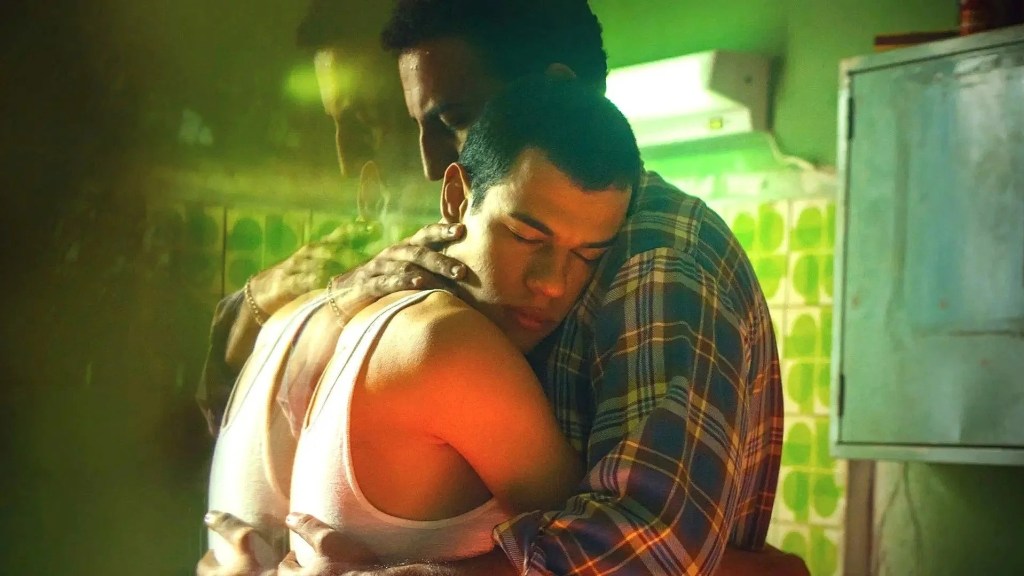
A scene from Jorge Cadena’s award-winning short film Flores del Otro Patio, now streaming on Dekkoo.
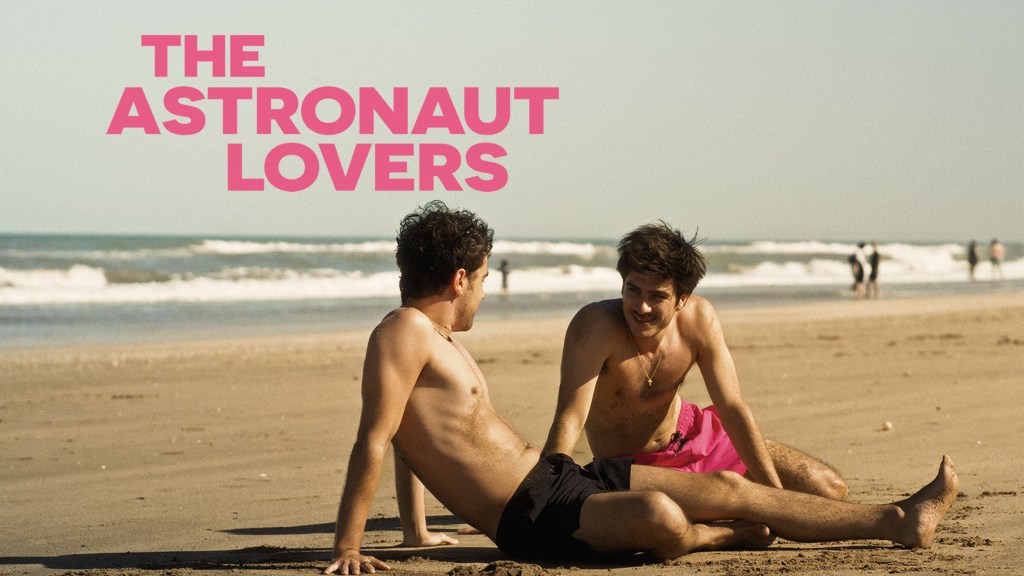
What happens when two childhood friends start pretending to be boyfriends… and the feelings become a little too real?
There’s something irresistible about a gay romantic comedy where the chemistry is obvious to everyone except the two men involved.
Now streaming on Dekkoo, The Astronaut Lovers brings together childhood friendship, flirtation, jealousy, and a very complicated game of make-believe. It’s the kind of movie that reminds us how quickly a harmless joke can turn into something much more interesting.
If you love gay romance movies filled with playful tension, unexpected connections, and men trying to figure out what they really want, this one deserves a spot on your watchlist.
Pedro and Maxi have known each other since childhood, but when they reunite years later, their relationship takes an unexpected turn.
Pedro is openly gay, comfortable with his sexuality, and more than a little amused by Maxi’s flirtatious behavior. Maxi, meanwhile, seems to enjoy pushing boundaries, especially when it comes to teasing his old friend.
Then Maxi comes up with a plan: convince his ex-girlfriend that Pedro is his new boyfriend.
What begins as a playful attempt to spark jealousy soon becomes something neither man can quite control. As they lean further into their pretend relationship, the distinction between performance and genuine attraction starts to disappear.
For Pedro, the situation raises an increasingly difficult question: Is Maxi just playing around, or is there something real beneath all that flirting?
Childhood friends Pedro and Maxi discover that the line between friendship and romance isn’t always easy to define.
When Friendship Starts Feeling Like Something More
One of the most entertaining things about The Astronaut Lovers is its central romantic predicament.
Pedro understands his own feelings and sexuality. Maxi, on the other hand, seems perfectly happy keeping everything ambiguous. Their dynamic creates the kind of romantic tension that makes you wonder who is actually in control of the situation.
It’s a familiar setup with a distinctly queer twist: two men whose long-standing friendship becomes increasingly difficult to define once romantic possibility enters the picture.
That combination of friendship, desire, and emotional uncertainty is part of what makes gay movies about unexpected romance so compelling. Sometimes the most interesting love stories begin with two people who never imagined themselves together.
And sometimes, pretending to be boyfriends is the easiest part.
A Gay Romantic Comedy With Chemistry, Humor, and Heart
Not every queer love story needs to be a tragedy. Sometimes it’s enough to watch two attractive men flirt, confuse each other, make questionable decisions, and stumble toward an emotional revelation.
The Astronaut Lovers embraces the awkwardness and excitement of attraction, especially when one person seems unwilling to admit what’s happening.
The film’s premise leaves plenty of room for comedy, but there’s an emotional question underneath all the teasing: What happens when one man begins taking seriously something the other insists is only a game?
For viewers who enjoy sexy gay movies that combine physical chemistry with genuine romantic stakes, The Astronaut Lovers offers a particularly enticing setup.
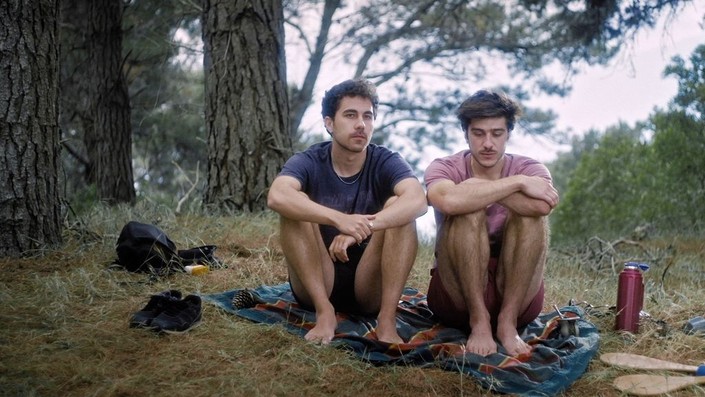
Pedro and Maxi navigate the complicated feelings between friendship and romance in The Astronaut Lovers.
Love a Complicated Gay Romance? Watch These Next.
If The Astronaut Lovers sounds like your kind of movie, Dekkoo has plenty of other romantic stories worth exploring.
In The Best Friend, a chance reunion between a young architect and his former college crush brings long-buried feelings back to the surface under the Brazilian sun. It’s another story about familiar faces, unexpected chemistry, and the romantic possibilities of reconnecting.
For a more emotionally intense take on love and the past, Tethered Wings follows a man whose wedding day is disrupted by the sudden return of his first love, decades after their relationship was torn apart.
And if you’re in the mood for something romantic with an unconventional twist, Mascarpone: The Rainbow Cake reunites two former lovers who discover that their feelings for each other haven’t entirely disappeared.
These films are part of the wide range of gay romantic movies streaming on Dekkoo, from lighthearted love stories to passionate dramas about relationships, desire, and second chances.
Watch The Astronaut Lovers Now on Dekkoo
Whether you’re drawn to its playful premise, the complicated chemistry between Pedro and Maxi, or simply the promise of a gay romantic comedy where nobody seems entirely sure what they’re doing, The Astronaut Lovers is ready for your next movie night.
The film is now streaming on Dekkoo, where you can also explore hundreds of gay movies and LGBTQ+ series from around the world.
A provocative exploration of desire, identity, and the blurred boundaries between our digital and physical lives, Joan Porcel’sThe Flesh (La Carn)has arrived exclusively on Dekkoo.
Spanish filmmaker Joan Porcel brings an unconventional perspective to contemporary gay cinema with The Flesh (La Carn), an intimate and visually arresting film that explores the relationship between sexuality, technology, and the human body.
Starring dancer and performer Lluís Garau, the film moves between personal experience and artistic expression, examining how digital encounters influence the ways we see ourselves and connect with others.
Blending drama, documentary elements, and performance, The Flesh offers a bold examination of modern gay male identity that feels both deeply personal and unmistakably contemporary.
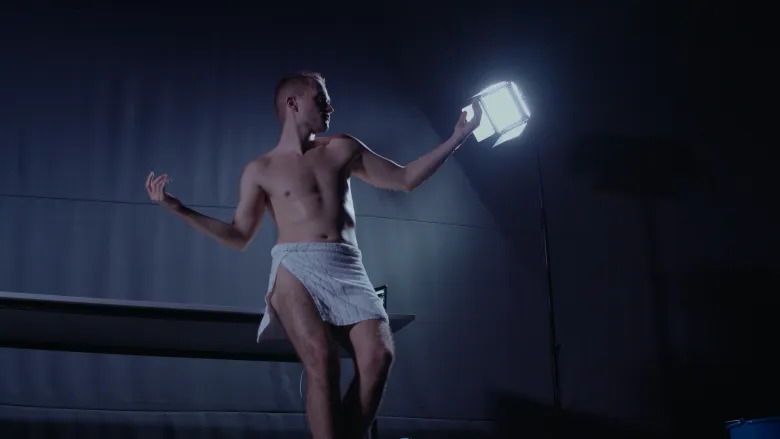
Lluís Garau in The Flesh (La Carn), now streaming exclusively on Dekkoo.
Exploring Desire in the Digital Age
At the center of The Flesh is a young dancer developing a performance inspired by the intimate encounters and anonymous exchanges that take place online.
As his creative process unfolds, the boundaries between digital interaction, physical desire, and artistic expression become increasingly difficult to separate.
The film examines a world in which bodies are constantly photographed, shared, watched, and desired. Online spaces offer opportunities for connection and sexual exploration, but they also create complicated relationships between intimacy, exposure, and identity.
Through its distinctive visual approach, The Flesh captures the tension between the freedom of digital self-expression and the vulnerability that comes with making oneself visible.
It’s a subject that resonates particularly strongly within contemporary gay culture, where technology has fundamentally transformed the ways men meet, communicate, and experience desire.
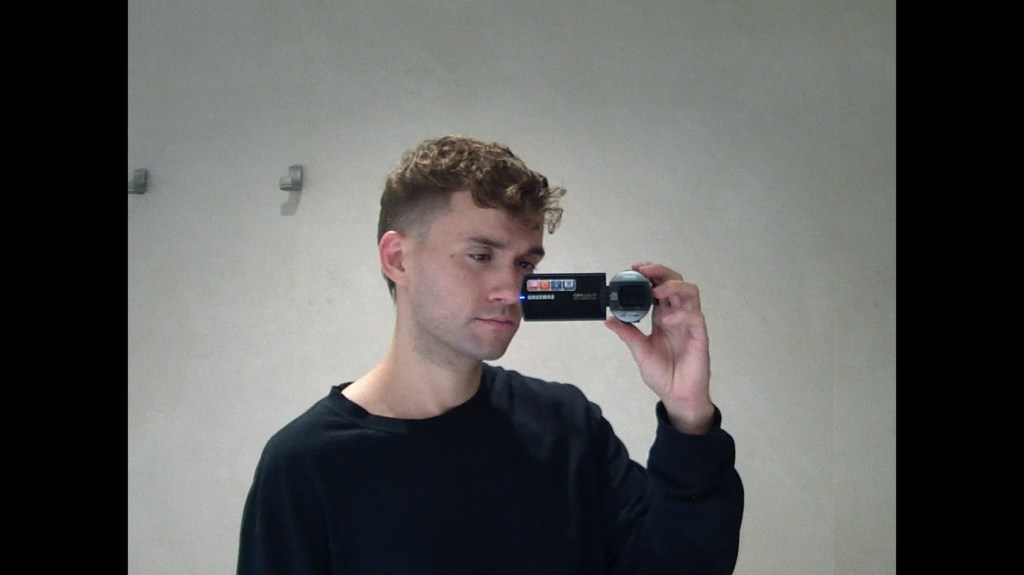
Lluís Garau records himself in The Flesh (La Carn), now streaming exclusively on Dekkoo.
The Body as Art, Identity, and Expression
Dance plays a central role in the film’s exploration of sexuality and self-discovery.
For its central performer, the body is more than a physical presence. It becomes a means of communication, a creative instrument, and a reflection of the complicated relationship between how we see ourselves and how others perceive us.
Porcel uses movement and performance to examine the body as both something deeply personal and something placed on display.
This approach gives The Flesh an unusual intimacy. Rather than relying on a conventional romantic narrative, the film explores the emotional and psychological dimensions of desire through movement, observation, and physical expression.
The result is an adventurous work of gay drama that challenges traditional storytelling while remaining rooted in recognizable human experiences.
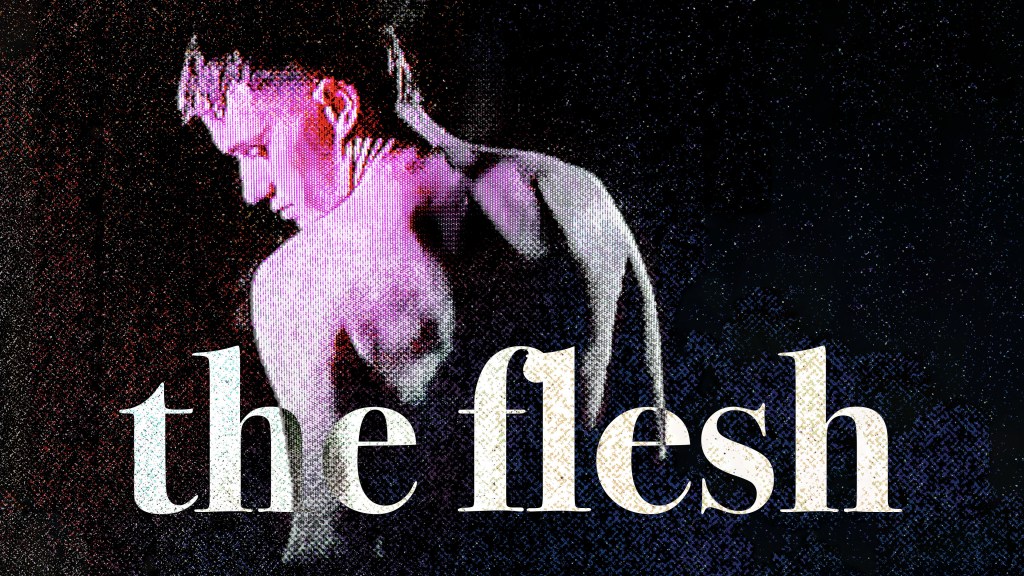
A striking performance scene from The Flesh (La Carn), directed by Joan Porcel and now streaming exclusively on Dekkoo.
A Distinctive Voice in International Gay Cinema
Directed and co-written by Joan Porcel, with Lluís Garau and Pere Antoni Sastre also contributing to the screenplay, The Flesh occupies a space between narrative filmmaking and docu-fiction.
Its unconventional structure reflects the subjects it explores. Just as the film’s central character moves between digital and physical spaces, the storytelling shifts between performance and personal experience.
Rather than offering easy answers about sexuality or technology, Porcel invites audiences to consider the ways intimacy has changed in an increasingly connected world.
The film also reflects the creative ambition of contemporary international LGBTQ+ filmmaking, where directors continue to experiment with form, perspective, and subject matter.
For audiences interested in discovering gay cinema beyond conventional romances and coming-out stories, The Flesh offers a compelling alternative.
Why The Flesh Is a Perfect Fit for Dekkoo
Dekkoo has long championed films that explore the diversity and complexity of gay male experiences, including stories that challenge expectations and take creative risks.
The Flesh continues that tradition.
Its examination of desire, technology, physical identity, and artistic expression makes it a distinctive addition to Dekkoo’s collection of international gay cinema.
The film is also a reminder that LGBTQ+ storytelling extends far beyond familiar narratives. Some of the most compelling films explore sexuality through unexpected perspectives, offering audiences opportunities to see familiar experiences in entirely new ways.
As an exclusive Dekkoo release, The Flesh joins a growing library of independent films, original series, documentaries, and international discoveries curated specifically for gay male audiences.
Where to Watch The Flesh (La Carn)
The Flesh (La Carn) is now streaming exclusively on Dekkoo.
The 83-minute Spanish film is available on demand for Dekkoo subscribers, offering audiences an opportunity to discover one of the more unconventional explorations of contemporary gay male sexuality and identity.
You can also browse the complete Dekkoo streaming library, featuring independent films, international discoveries, exclusive series, and new releases added regularly.
The Flesh (La Carn) is available to watch now, exclusively on Dekkoo.
Some of the most difficult conversations are the ones we never have. In the moving gay short film Bull’s Heart, a father and son struggle with love, identity and the emotional distance that grows when the truth remains unspoken.
Bull’s Heart is now streaming on Dekkoo, bringing another intimate and thought-provoking LGBTQ+ story to our collection of international queer cinema.
At the center of Bull’s Heart are two men struggling with the same truth from very different perspectives.
A young man is secretly in love with another boy, spending his days trying to understand his feelings and find his place in the world. Meanwhile, his father spends his nights confronting his own emotions as he struggles to come to terms with his son’s identity.
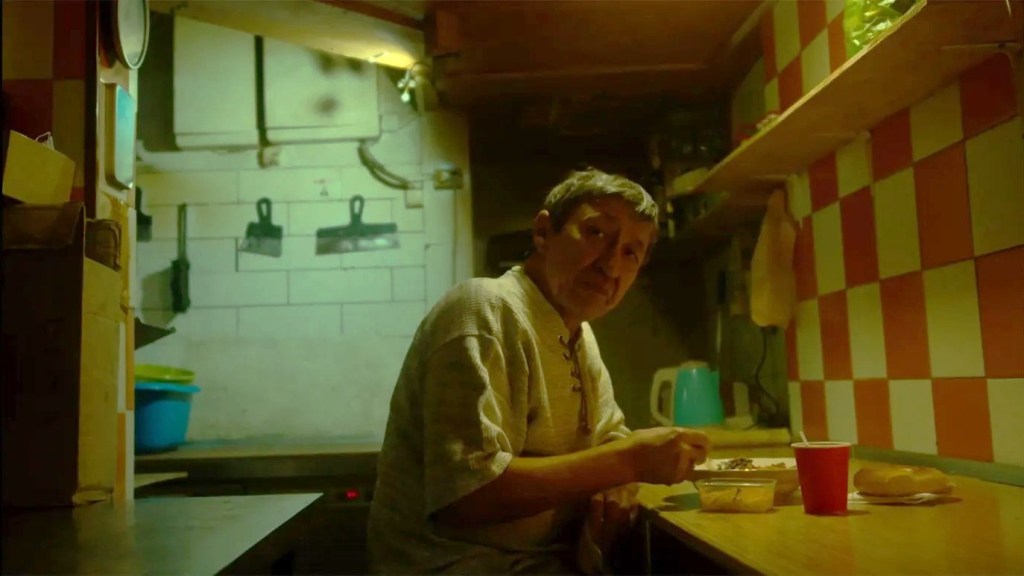
A tense, intimate moment from Bull’s Heart (2026), directed by Margarita Bagdasaryan.
Though they share a family bond, both seem isolated in their own emotional worlds.
Eventually, the distance between them becomes impossible to ignore. Father and son must confront one another, and the truths they have been avoiding, if they hope to find a way forward.
In just under fourteen minutes, Bull’s Heart explores the complicated relationship between self-acceptance and family acceptance, and the courage it can take to bridge the gap between generations.
When Coming Out Becomes a Family Story
Coming out is often portrayed as an intensely personal journey. But for many LGBTQ+ people, the experience also changes the relationships they have with the people closest to them.
Bull’s Heart approaches that emotional territory through both sides of a father-son relationship.
The son’s private romantic feelings and search for self-understanding unfold alongside his father’s struggle to reconcile his emotions with the reality of who his son is.
Rather than treating acceptance as a simple moment of revelation, the film focuses on the uncertainty, silence and emotional vulnerability that can accompany it.
It’s a story that may resonate with anyone who has struggled to be understood by family, or who has had to confront difficult truths about someone they love.
Bull’s Heart explores the emotional distance between a father and son as they navigate identity, love and acceptance.
Why Gay Short Films Matter
Some stories don’t need a feature-length runtime to leave a lasting impression.
At approximately fourteen minutes, Bull’s Heart is a reminder of how much emotional depth can be found in a short film.
Gay short films have long played an important role in LGBTQ+ cinema, offering filmmakers the freedom to explore personal experiences, complicated relationships and perspectives that don’t always find space in mainstream entertainment.
At Dekkoo, we’re committed to bringing these stories to audiences who want to discover new voices in queer filmmaking.
Our growing library of gay movies and LGBTQ+ cinema includes everything from romantic dramas and coming-of-age stories to documentaries, comedies and powerful short films.
For viewers who love discovering emerging filmmakers and intimate queer storytelling, explore our dedicated Gay Short Films collection, featuring stories from around the world.
Watch Bull’s Heart on Dekkoo Today
Whether you’re drawn to emotional family dramas, coming-out stories or thoughtful LGBTQ+ cinema, Bull’s Heart offers a compelling story about the complicated relationship between love and acceptance.
And with a runtime of just 13 minutes and 38 seconds, it’s an easy addition to your next movie night.
Discover more unforgettable stories, new releases and independent queer filmmaking on Dekkoo, your destination for gay movies, LGBTQ+ series and short films from around the world.
Some films announce themselves loudly. Others simply put you beside a character, ask you to walk with him for a little while, and leave you somewhere different by the time the credits roll.
Socrates is very much the second kind.
The acclaimed Brazilian drama is now streaming on Dekkoo, bringing one of the most affecting queer coming of age stories of recent years to our collection of gay movies from around the world.
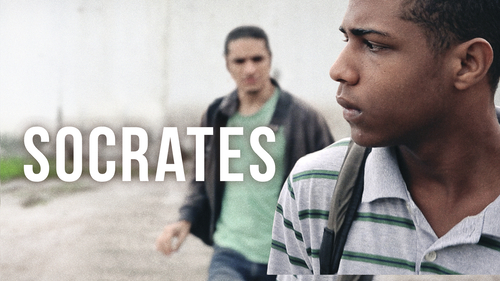
Christian Malheiros delivers a powerful performance as a teenager navigating grief, desire and survival in Socrates.
Fifteen Years Old and Suddenly Alone
Socrates is fifteen years old when his mother dies.
There is no comfortable period of mourning waiting for him. There is rent to pay. There is work to find. There are adults who may decide that he is incapable of looking after himself. And there is the simple reality of surviving on the margins of São Paulo with very little money and even less protection.
Played by Christian Malheiros in a remarkable debut performance, Socrates moves through this world with a toughness that never quite hides how young he really is.
That tension is at the heart of the film.
Director Alexandre Moratto does not turn Socrates into a symbol or reduce his life to a collection of hardships. He lets him be angry. Proud. Sexual. Frightened. Stubborn. Lonely. Sometimes all of those things at once.
And then Socrates meets Maicon.
Desire complicates an already uncertain life when Socrates develops an intimate connection with Maicon.
Desire Does Not Make Life Any Simpler
What develops between Socrates and Maicon gives the film some of its most intimate moments, but this is not a conventional romance.
Desire arrives in the middle of everything else.
Socrates is grieving his mother. He is trying to keep a roof over his head. He is confronting poverty, racism and homophobia. He is attempting to hold onto his independence when almost every force around him seems capable of taking it away.
His sexuality is part of that story without becoming the entirety of it.
That is one of the reasons Socrates feels so immediate. It understands that coming of age does not happen separately from the rest of life. Love, sex, grief, money, family and survival all collide.
For viewers drawn to emotionally complex gay drama movies, this is exactly the kind of film worth seeking out.
A Film Made by the Young People It Portrays
There is another remarkable story behind the camera.
Socrates was the first feature produced through Brazil’s Querô Institute, an organization that uses filmmaking as a tool for social inclusion among young people from low income communities. Teenagers connected to the program participated in the writing, production and acting of the film.
That gives Moratto’s debut an authenticity that is difficult to manufacture.
The streets, cramped rooms, job sites and crowded spaces surrounding Socrates do not feel like scenery arranged around a character. They feel like his world.
Moratto also had some impressive support behind the film. Ramin Bahrani served as a producer and Brazilian filmmaker Fernando Meirelles, director of City of God, was among its executive producers.
Socrates and Maicon navigate an intense and complicated connection in Alexandre Moratto’s acclaimed Brazilian drama.
A Breakout Performance From Christian Malheiros
A movie this intimate depends enormously on its lead actor.
Christian Malheiros carries it.
His performance as Socrates earned him a nomination for Best Male Lead at the Film Independent Spirit Awards. The film was also nominated for the John Cassavetes Award, while Moratto received the Someone to Watch Award for his direction.
Those accolades make sense when you watch the film.
Malheiros rarely seems to be performing for us. He makes Socrates difficult to look away from precisely because he never begs for our sympathy. There is enormous vulnerability underneath the character, but there is also defiance.
Socrates wants more than survival.
He wants a life that belongs to him.
Queer Cinema Without Easy Answers
There is no attempt here to make hardship beautiful.
There are no easy speeches about identity. No convenient savior arrives. No neat solution suddenly appears because the movie needs to end.
Instead, Socrates gives us something more valuable: a queer character allowed to be complicated.
That is part of what makes international LGBTQ cinema so exciting. There are countless experiences of being gay, falling in love, discovering desire and figuring out who you are. The best films let those stories remain specific to the people and places from which they come.
It is also why we continue searching the world for films like this to bring to Dekkoo.
Christian Malheiros brings remarkable vulnerability to the title role in Alexandre Moratto’s Socrates.
Watch Socrates Now on Dekkoo
Socrates is raw, intimate and deeply human. It is a film about grief and poverty, but also about desire, dignity and the stubborn determination to keep moving forward when the world offers very few reasons to believe things will get better.
Most of all, it is a reminder of what great queer cinema can do.
It can take us somewhere unfamiliar and make one person’s life feel extraordinarily close.
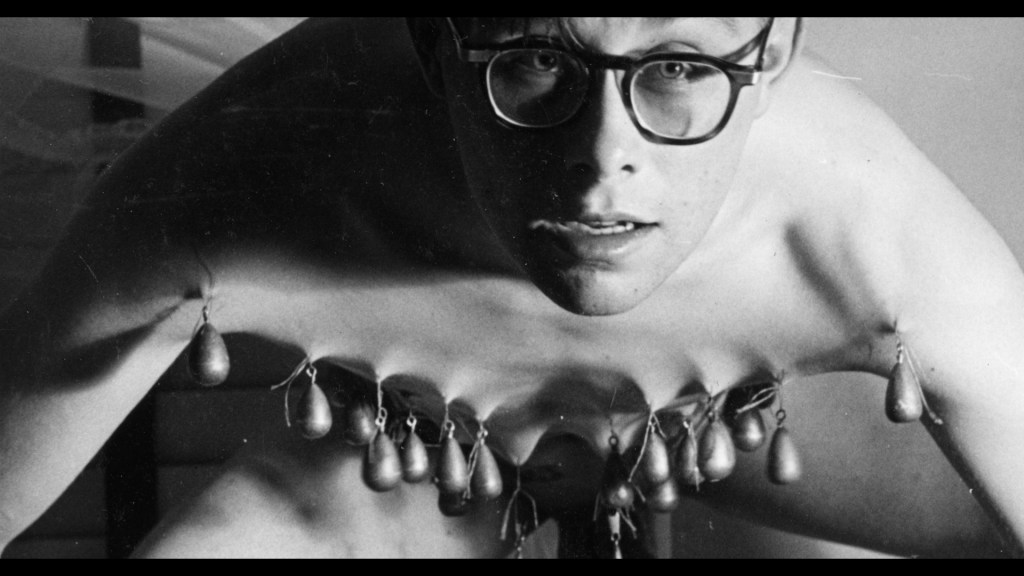
For Fakir Musafar, the answer became a lifelong obsession.
Photographer. Performance artist. Ritualist. Provocateur. Musafar spent decades challenging conventional ideas about pain, pleasure, sexuality, spirituality, and the limits of the human body.
The acclaimed documentary A BODY TO LIVE IN, now streaming on Dekkoo, explores his extraordinary life and the radical queer culture that grew around it.
Directed by Angelo Madsen, A BODY TO LIVE IN explores the life and legacy of Fakir Musafar, one of the most influential figures in the history of modern body modification.
Long before tattoos, piercings, and other forms of body transformation entered mainstream culture, Musafar was experimenting with his own body as a vehicle for art, ritual, identity, pleasure, and discovery.
His work would eventually become closely associated with the Modern Primitives movement and a much larger underground culture surrounding piercing, BDSM, performance art, and radical self expression.
But the film is interested in more than documenting what Musafar did to his body.
It asks why.
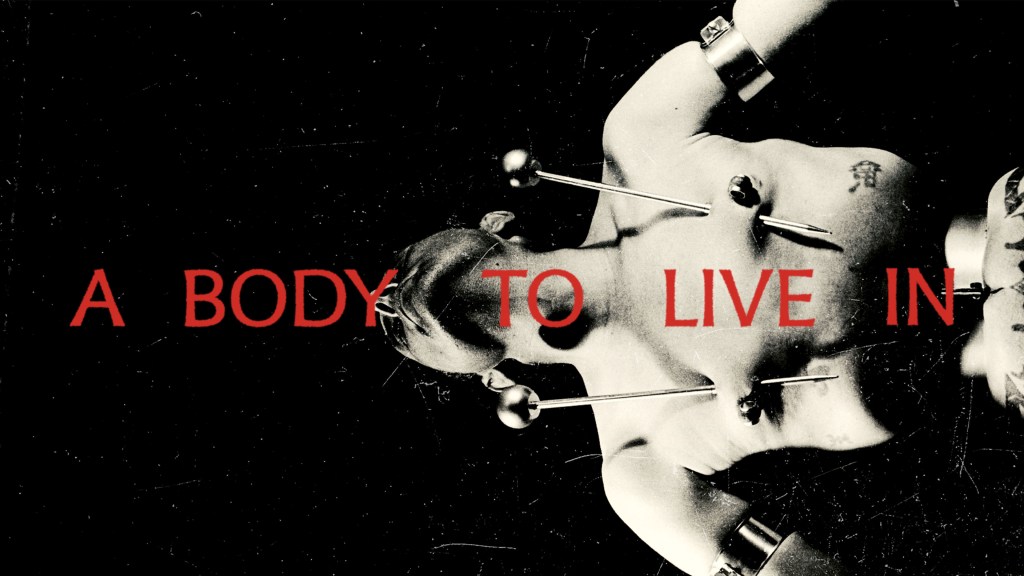
Fakir Musafar transformed his own body into a medium for exploring pain, pleasure, ritual, and identity.
Pain, Pleasure, Identity, and Freedom
The body has always occupied a complicated place in queer history.
For generations of LGBTQ people, it has been judged, regulated, hidden, desired, celebrated, and transformed.
Musafar turned that tension into art.
Through remarkable archival material and the voices of artists and cultural figures who knew this world, A BODY TO LIVE IN traces a community that discovered radical possibilities in changing the body itself.
Piercing, corseting, suspension, ritual, and performance became ways of asking deeply personal questions.
Who decides what a body should look like? Who decides what pleasure should feel like? How much of our identity is given to us, and how much can we create ourselves?
Those questions give the film a power that extends far beyond its fascinating subject.
Fakir Musafar used his own body to explore pain, ritual, transformation, and the boundaries of physical experience.
What makes A BODY TO LIVE IN particularly compelling is that it does not turn Musafar into a simple hero.
His influence was enormous, but his legacy contains contradictions. The film confronts questions surrounding cultural appropriation, spirituality, sexuality, artistic freedom, and the complicated origins of the movement he helped create.
Rather than neatly resolving those questions, director Angelo Madsen allows different voices and generations to wrestle with them.
The result is something richer than a traditional biography. It becomes a conversation about identity, ownership, transformation, and the freedom to decide what our bodies mean to us.
Your Body. Your Rules.
Ultimately, A BODY TO LIVE IN is about something remarkably intimate.
The desire to feel at home inside yourself.
For Musafar and the artists who followed him, transformation could be painful, erotic, spiritual, political, or all of those things at once. Their bodies became canvases upon which they could question the rules they had inherited.
For queer audiences, that idea carries enormous resonance.
We spend so much of our lives being told what we should be.
Sometimes the most radical response is deciding for ourselves.
In 1982, the first cases of HIV were identified in Sweden. What followed would transform the lives of gay men across the country — and around the world.
The powerful short documentary Stockholm, 1982 revisits that moment through the memories of three men who lived through it.
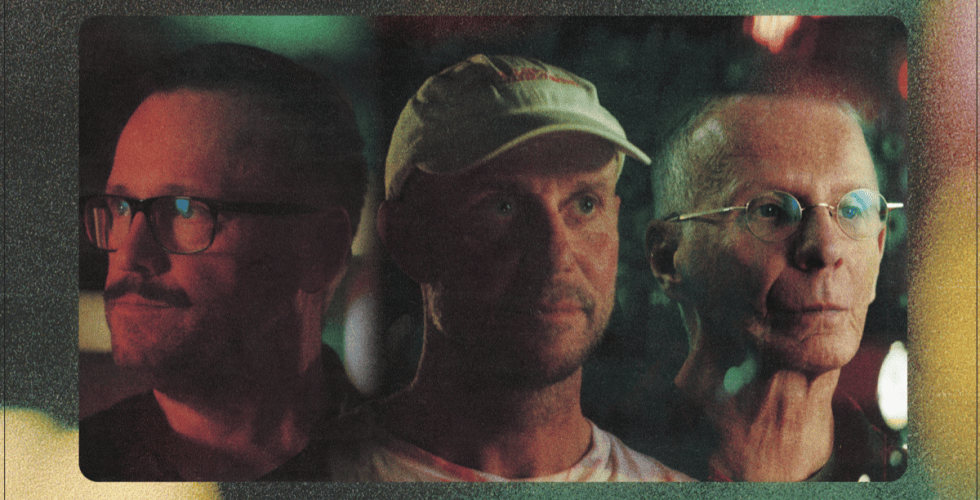
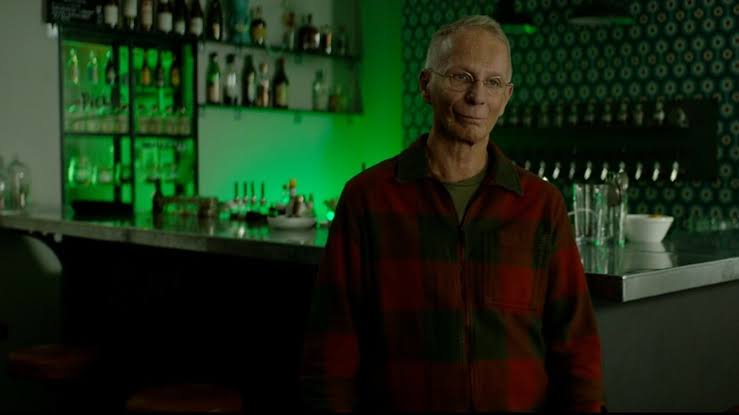
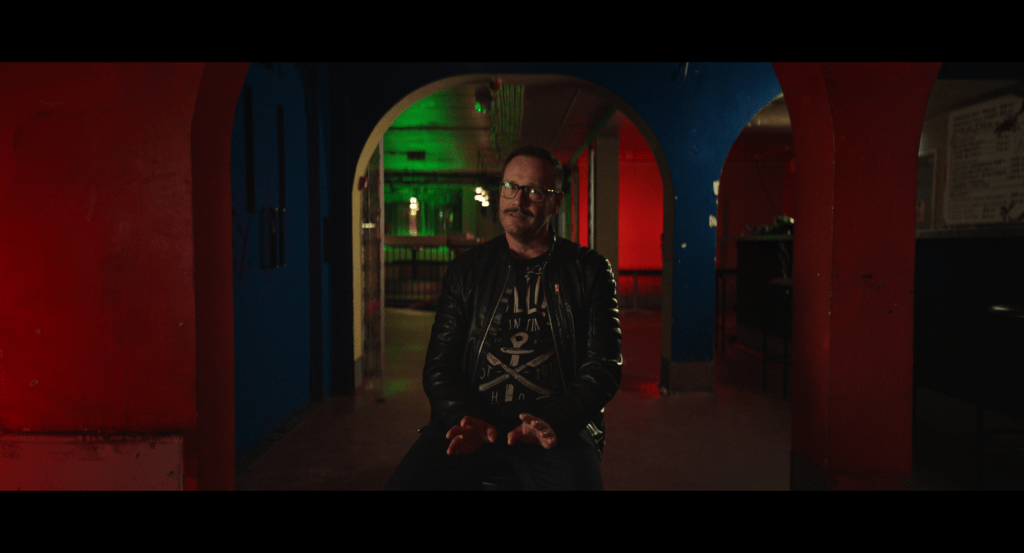
Directed by Palmer Lydebrant, the Swedish film brings together Steve Sjöquist, Stefan Handreck and Fredrik Apollo Asplund, who look back at what it meant to be young and gay in Sweden during the 1980s. Their stories encompass love, lust, friendship and the excitement of finding a community — but also fear, shame, grief and devastating loss.
Being Young, Gay and Free — Until Everything Changed
The timing of the HIV/AIDS crisis was particularly cruel.
Gay liberation had begun opening new possibilities for queer people. Men were finding one another, building communities, falling in love and embracing their sexuality with a freedom previous generations rarely experienced.
Then HIV arrived.
Stockholm, 1982 captures the collision between those two realities. The men remember the pleasures and possibilities of gay life alongside the growing realization that something terrifying was happening around them.
The result is not simply a documentary about HIV/AIDS. It is a film about gay men remembering the lives they actually lived — including the joy, sex, humor and community that existed alongside the tragedy.
Stockholm, 1982 preserves personal memories of gay life during the early years of the HIV/AIDS crisis.
Preserving Our LGBTQ+ History
One of the most compelling aspects of Stockholm, 1982 is the connection it creates between generations.
For gay men who lived through the height of the AIDS crisis, the film may evoke memories of a period that fundamentally reshaped the community. For younger LGBTQ+ viewers, it offers something equally valuable: the opportunity to hear this history directly from people who experienced it.
The film was produced with the involvement of RFSL and RFSL Ungdom, organizations that have worked to preserve Sweden’s LGBTQ+ and HIV history. That mission gives the documentary particular urgency. The people, relationships and communities lost during the epidemic cannot simply become statistics.
Their stories matter.
And remembering the fear and stigma surrounding HIV also reminds us how dramatically life with HIV has changed through treatment, prevention and decades of activism.
Meet the Men of Stockholm, 1982
At the center of the documentary are Steve Sjöquist, Stefan Handreck and Fredrik Apollo Asplund.
Rather than approaching the era as distant history, director Palmer Lydebrant allows their memories to give it intimacy. They recall what it meant to discover gay life, desire and community while an emerging epidemic increasingly cast a shadow over all three.
Those personal recollections are what make the film resonate. Stockholm, 1982 isn’t interested only in explaining what happened.
It asks us to remember what it felt like to live through it.
Stefan Handreck reflects on gay life in Sweden during the early years of the HIV/AIDS crisis in Stockholm, 1982.
Watch Stockholm, 1982 on Dekkoo
At approximately 19 minutes, Stockholm, 1982 is a brief but deeply affecting piece of queer history — one that remembers not only an epidemic, but the gay men whose lives, loves and communities existed within it.
For viewers interested in gay history, LGBTQ+ documentaries, queer cinema and stories about the HIV/AIDS crisis, this is an essential short film.
Stockholm, 1982, directed by Palmer Lydebrant, is now streaming on Dekkoo.
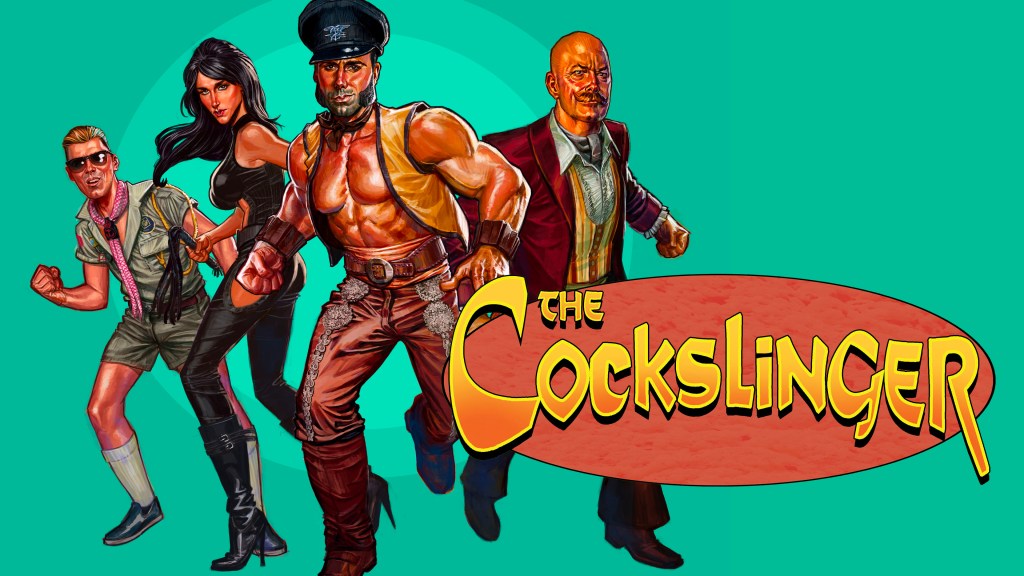
There are road movies. There are superhero movies. There are queer comedies. And then there’sThe Cockslinger.
Some movies are difficult to describe without making them sound completely insane.
This is one of them.
The Cockslinger has officially arrived on Dekkoo, bringing with it a gloriously strange mix of camp, comedy, superheroes, burlesque dancers and Australian absurdity.
And really, what more could you ask for?
Meet Beau. He Has a Very Particular Set of Skills.
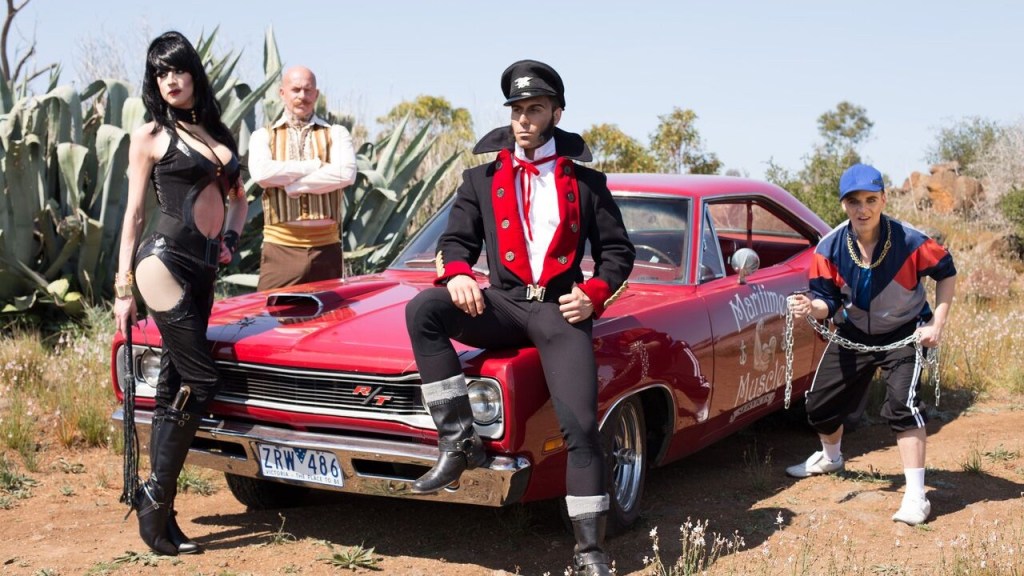
The trouble begins when Kitty—a fabulous silver fox with problems of her own—is robbed by a gang of thoroughly rotten burlesque dancers.
Naturally, she calls her son.
But Beau isn’t exactly the mild-mannered type.
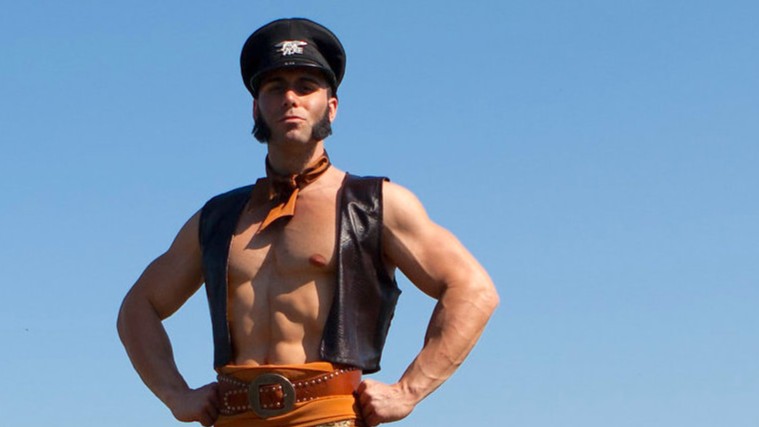
He’s Australia’s resident super-sexy superhero: The Cockslinger.
What follows is an anything-goes road trip that gleefully refuses to behave like a normal movie. The Cockslinger embraces the ridiculous, the outrageous and the proudly queer, serving up the kind of low-budget cinematic lunacy that becomes more fun the further off the rails it goes.
In other words: don’t come looking for restraint.
Meet The Cockslinger – Gay Superhero Comedy on Dekkoo
Sometimes You Want Great Cinema. Sometimes You Want This.
One of the pleasures of exploring gay movies on Dekkoo is never quite knowing what you’ll stumble across next.
There are romances that break your heart. Serious dramas. Festival discoveries. International films. And then, occasionally, something crashes through the front door wearing very little and announces itself as The Cockslinger.
We think a gay streaming service should have room for all of it.
Because queer cinema has never belonged to just one genre or one definition of what a “gay movie” is supposed to look like. Sometimes the most memorable films are the ones willing to get weird.
Very, very weird.
Camp Is a Superpower
There’s something wonderfully old-school about The Cockslinger. It has the anarchic spirit of midnight movies, cult comedies and exploitation films—the kind of filmmaking where enthusiasm matters more than good taste and subtlety was never invited to the party.
That makes it a particularly fun addition to Dekkoo’s collection of gay comedy movies.
It’s silly.
It’s sexy.
It’s proudly ridiculous.
And it knows exactly what kind of movie it wants to be.
Subtlety has officially left the building.
Your Next Movie Night Just Got Weirder
If your watchlist could use something a little less predictable, consider this your invitation.
Grab a drink. Lower your expectations for respectable behavior. And prepare to meet Australia’s most unusually named superhero.
And if The Cockslinger leaves you hungry for another trip into the stranger corners of queer cinema, keep exploring the hundreds of gay films streaming on Dekkoo.
Just don’t blame us when your recommendations start getting weird.
Just your average Australian road trip. Nothing to see here.
Some movies announce exactly what they are going to be in the first five minutes.
BABY isn’t one of them.
Marcelo Caetano’s Brazilian drama starts with a young man trying to figure out where, exactly, he belongs. Then it keeps complicating the answer.
Fresh out of juvenile detention, 18-year-old Wellington — better known as Baby — returns to São Paulo and discovers that his parents have disappeared from his life. He’s young, broke and largely on his own.
And then Ronaldo enters the picture.
Older. Handsome. Experienced. And offering Baby an introduction to a version of queer life he hasn’t experienced before.
What happens between them is not quite a romance, not quite a transaction and definitely not simple.
There is an electricity between João Pedro Mariano’s Baby and Ricardo Teodoro’s Ronaldo almost immediately.
Ronaldo knows how to navigate the city — and how to make money in it. He takes Baby under his wing and introduces him to sex work, but their relationship doesn’t stay neatly within the boundaries of mentor and protégé.
They become lovers.
They become something resembling family.
At times, they become something considerably more complicated.
That’s where BABY gets interesting.
The movie never rushes to tell us how we’re supposed to feel about the relationship. There’s affection here. Desire, certainly. But also jealousy, dependency and a significant imbalance between a teenager just beginning to find his place in the world and an older man who already knows how this particular world works.
Caetano lets all of those things exist at the same time.
Apartments. Clubs. Streets. Hookups. Friends. Strangers. Sex. Money. The people you meet at 2 a.m. who somehow become part of your life by 2 p.m. the next afternoon.
The city isn’t simply where BABY takes place. It becomes part of Baby’s education.
He’s discovering that there is an entire world beyond the family that abandoned him — one populated by people who have created their own arrangements for love, sex, friendship and survival.
That’s one reason the movie feels so alive. BABY isn’t only interested in telling us that its characters are queer. It drops us directly into their lives and lets us spend time there.
For viewers interested in discovering more international LGBTQ+ cinema, Dekkoo’s gay movie collection includes films and series from around the world, with new releases added every week.
Ricardo Teodoro Is Hard to Look Away From
There is a reason Ricardo Teodoro became one of the film’s breakout stories.
As Ronaldo, he can be seductive in one scene, paternal in another and quietly unsettling in the next. Sometimes he’s all three.
The performance earned Teodoro the Louis Roederer Foundation Rising Star Award at Cannes, where BABY premiered as part of Critics’ Week.
João Pedro Mariano has the more difficult job in some ways. Baby needs to feel inexperienced without being naïve, vulnerable without becoming passive. Mariano gives him a watchfulness that makes you feel like he’s constantly absorbing information — about Ronaldo, about sex, about the city and about himself.
Put the two actors together and the film finds its pulse.
And Yes, BABY Is Sexy.
We should probably mention that.
BABY deals openly with sex, attraction and sex work, and Caetano doesn’t treat desire as something happening off-screen while the important story takes place elsewhere.
Desire is part of the story.
But the film’s sexuality works because there’s something underneath it.
A touch can mean affection.
Or money.
Or power.
Or reassurance.
Sometimes Baby himself doesn’t seem entirely certain which one it is.
That tension gives the film considerably more bite than a conventional coming-of-age romance.
Come for the Heat. Stay for Everything Else.
By the end, the title BABY starts to feel almost ironic.
Because this is ultimately a movie about a young man discovering that growing up isn’t one dramatic transformation. It’s a collection of choices — who you trust, who you sleep with, who you allow to call you family and when you finally decide that you’re capable of standing on your own.
It’s messy.
So is Baby.
So is Ronaldo.
That’s the point.
For anyone who loves adventurous gay cinema that is willing to be sensual, morally complicated and emotionally honest, this is an easy recommendation.
Better yet, you don’t have to wait for it anymore.
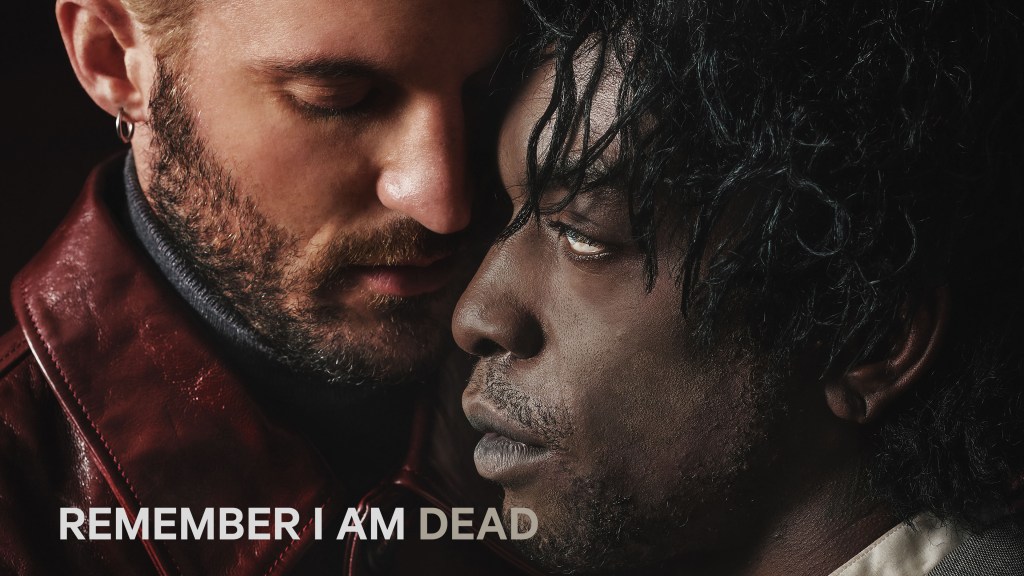
Noel Alejandro’s haunting and sensual gay short filmREMEMBER I AM DEADis now streaming on Dekkoo.
What happens when someone you’ve lost suddenly appears again?
In REMEMBER I AM DEAD, filmmaker Noel Alejandro turns that question into a darkly sensual meditation on grief, loneliness, memory and desire — one in which the boundary between the living and the dead becomes increasingly difficult to define.
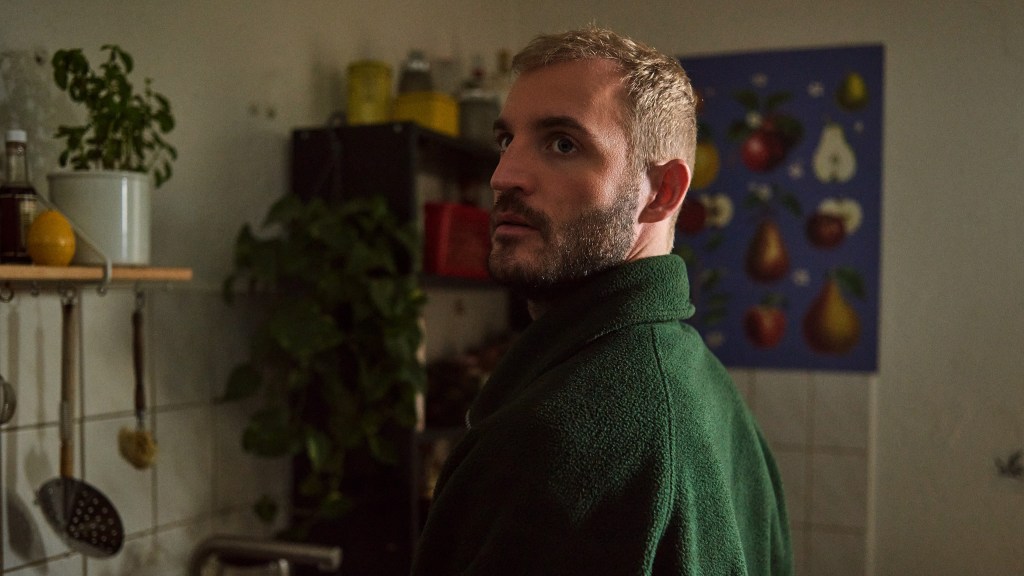
Sagat is a young farmer who awakens to discover the body of a mysterious man named Roman lying in his living room.
But there is something strangely familiar about the situation.
As Sagat tries to understand Roman’s presence, he is drawn into an emotional journey through memory, heartache and love — and toward a connection between the two men that refuses to remain buried in the past.
The mystery slowly pulls REMEMBER I AM DEAD away from conventional romance and into something stranger, darker and considerably more haunting.
Gay Erotica With Something Else on Its Mind
Written and directed by Noel Alejandro, REMEMBER I AM DEAD continues the filmmaker’s distinctive approach to gay erotic cinema, where sexuality exists alongside — and often becomes inseparable from — larger questions about intimacy and human connection.
Here, desire is intertwined with absence.
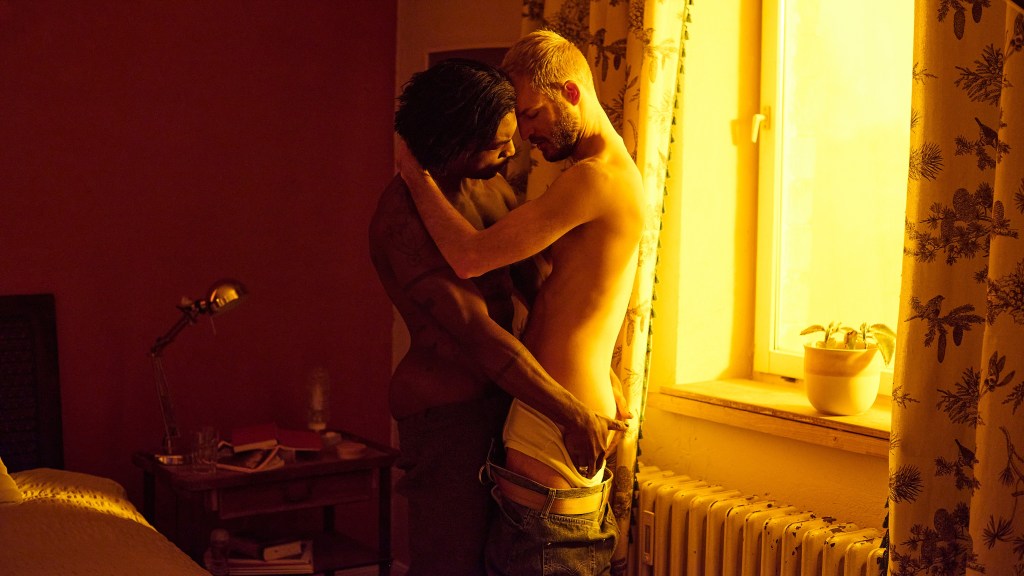
The physical closeness between the film’s characters carries the weight of something that has already been lost, giving even its most intimate moments an underlying melancholy.
Rather than treating sex simply as provocation, Alejandro uses it as another way of exploring what these men cannot easily express: longing, loneliness and the desperate human impulse to hold onto someone even when we know we may eventually have to let them go.
It’s an approach that makes the film a natural fit among the more daring and sensual titles in Dekkoo’s collection of steamy gay movies, where desire and sexuality are often inseparable from larger stories about relationships, identity and emotional connection.
The result is a film that can be erotic, romantic and unsettling almost simultaneously.
Somewhere Between a Love Story and a Ghost Story
There’s an intriguing tension at the center of REMEMBER I AM DEAD.
On one level, it plays like an intimate story about two men drawn together. On another, it has the atmosphere of a ghost story, with death hanging over nearly every encounter.
But Alejandro seems less interested in providing easy answers than in exploring the emotional territory between those two genres.
What happens to desire after loss?
Can intimacy temporarily bring someone back to us?
And when memory becomes powerful enough, where exactly is the line between remembering someone and refusing to let them go?
Those questions give REMEMBER I AM DEAD an emotional weight that lingers well beyond its provocative premise.
Featuring Pierre Emö as Sagat and Jonzu as Roman, the film unfolds with a dreamlike quality perfectly suited to a story where past and present, desire and grief, and even life and death begin to overlap.
A Gay Short Film to Discover on Dekkoo
Short films have long played an important role in LGBTQ+ cinema, giving filmmakers room to tell intimate, daring and unconventional stories that might struggle to find a home in traditional theatrical filmmaking.
Dekkoo has built an especially deep collection of gay short films, bringing together emerging filmmakers, festival discoveries and provocative queer stories from around the world.
REMEMBER I AM DEAD feels perfectly at home within that tradition.
At nearly 40 minutes, Alejandro has enough room to allow the mystery and relationship between Sagat and Roman to unfold gradually without losing the intimacy of the short-film format.
For viewers looking for gay cinema willing to venture somewhere stranger than the traditional romantic drama — or simply searching for something unexpected to watch — this is one worth discovering.
You can also explore hundreds of gay movies streaming on Dekkoo, including international films, romances, dramas, festival favorites and exclusive titles.
Watch REMEMBER I AM DEAD on Dekkoo
REMEMBER I AM DEAD is now streaming exclusively on Dekkoo.