Some movies announce exactly what they are going to be in the first five minutes.
BABY isn’t one of them.
Marcelo Caetano’s Brazilian drama starts with a young man trying to figure out where, exactly, he belongs. Then it keeps complicating the answer.
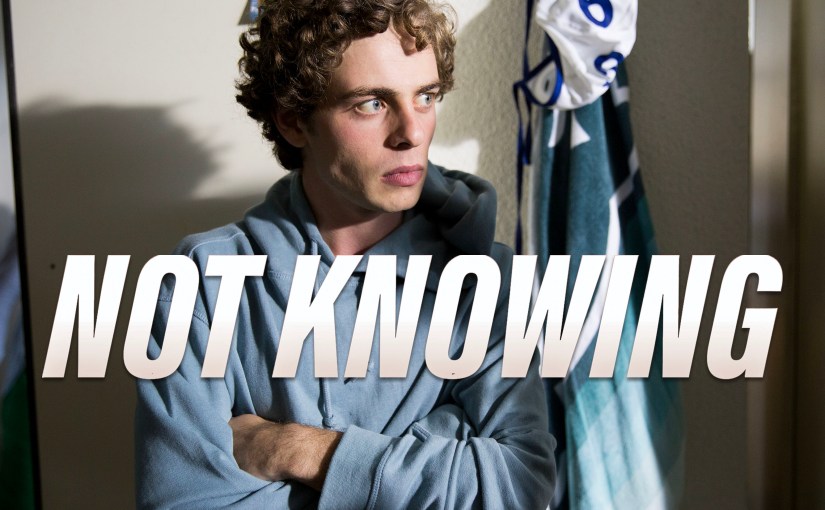
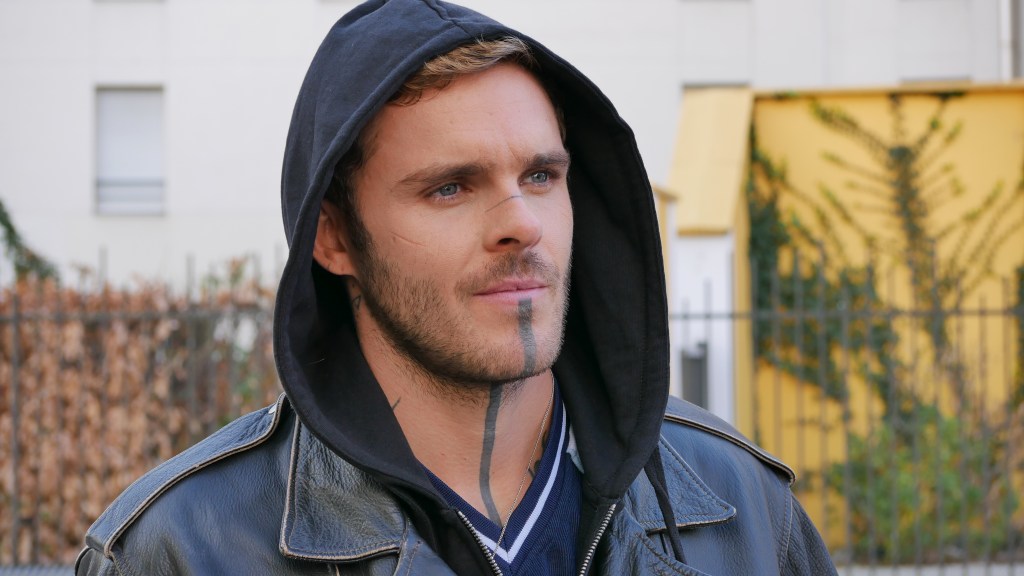
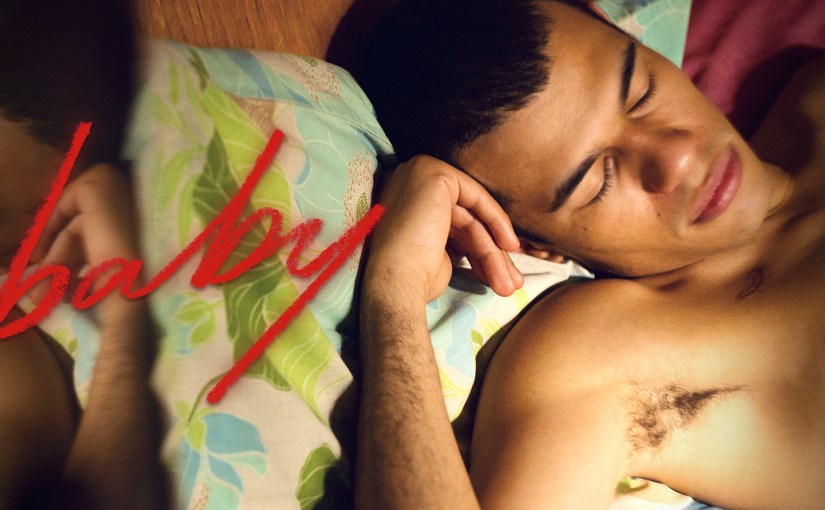
Fresh out of juvenile detention, 18-year-old Wellington — better known as Baby — returns to São Paulo and discovers that his parents have disappeared from his life. He’s young, broke and largely on his own.
And then Ronaldo enters the picture.
Older. Handsome. Experienced. And offering Baby an introduction to a version of queer life he hasn’t experienced before.
What happens between them is not quite a romance, not quite a transaction and definitely not simple.
BABY is now streaming on Dekkoo.
Meet Baby. And Ronaldo.
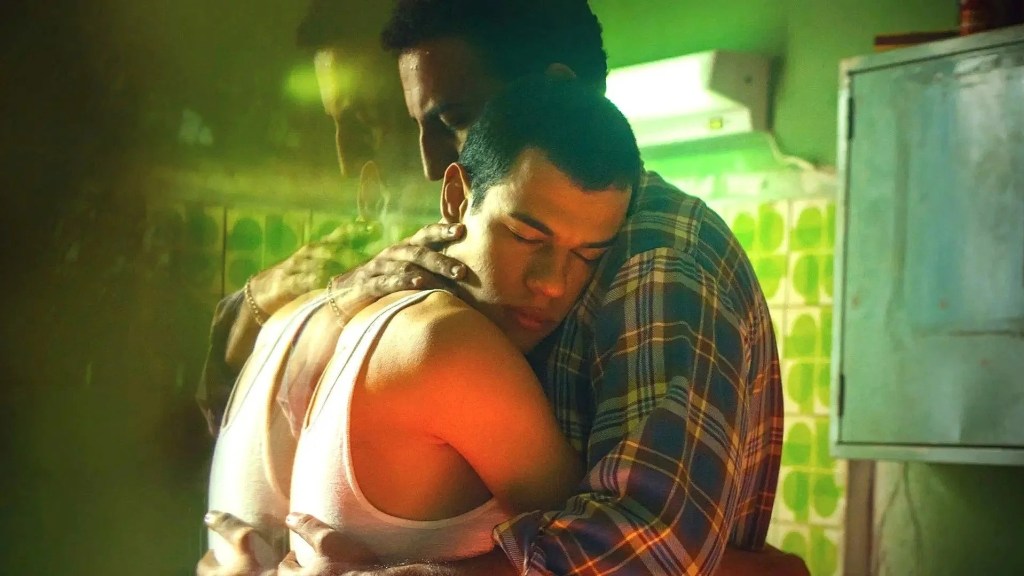
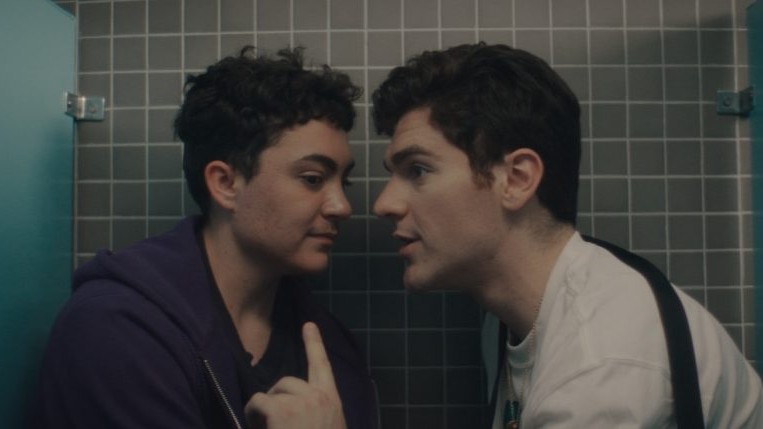
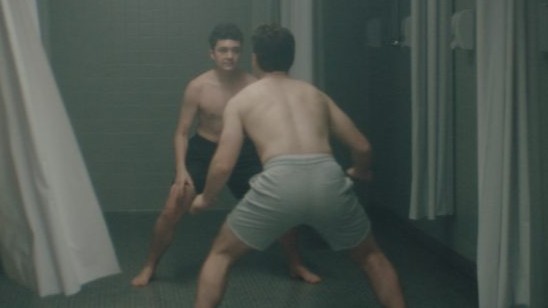
There is an electricity between João Pedro Mariano’s Baby and Ricardo Teodoro’s Ronaldo almost immediately.
Ronaldo knows how to navigate the city — and how to make money in it. He takes Baby under his wing and introduces him to sex work, but their relationship doesn’t stay neatly within the boundaries of mentor and protégé.
They become lovers.
They become something resembling family.
At times, they become something considerably more complicated.
That’s where BABY gets interesting.
The movie never rushes to tell us how we’re supposed to feel about the relationship. There’s affection here. Desire, certainly. But also jealousy, dependency and a significant imbalance between a teenager just beginning to find his place in the world and an older man who already knows how this particular world works.
Caetano lets all of those things exist at the same time.
If you’re drawn to gay movies that aren’t afraid of complicated relationships, this is exactly the kind of film Dekkoo was built to showcase.
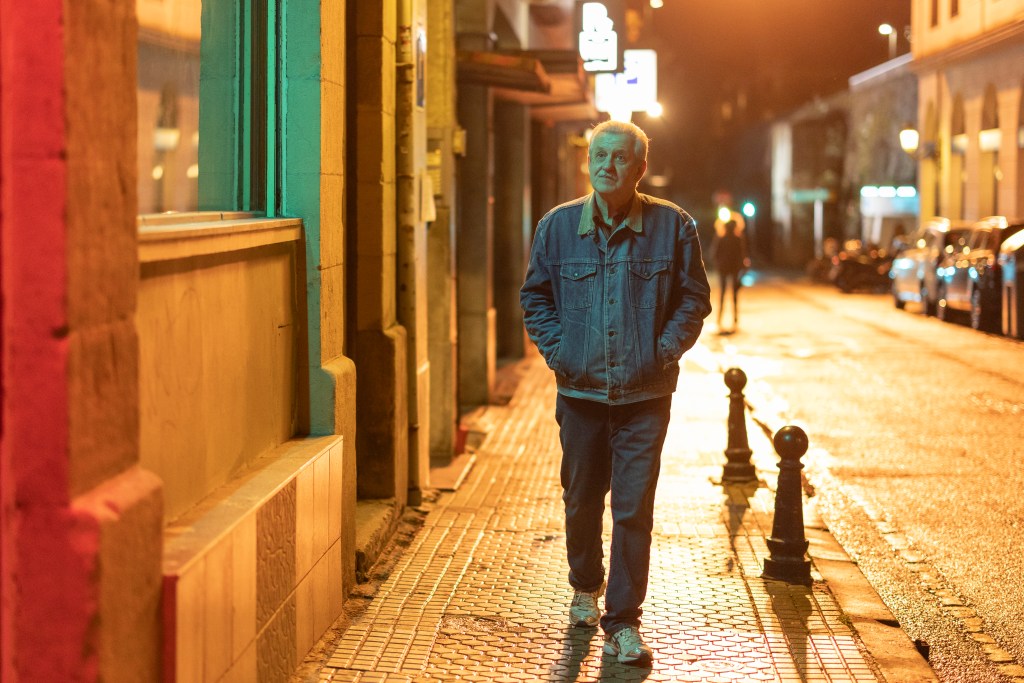
São Paulo After Dark
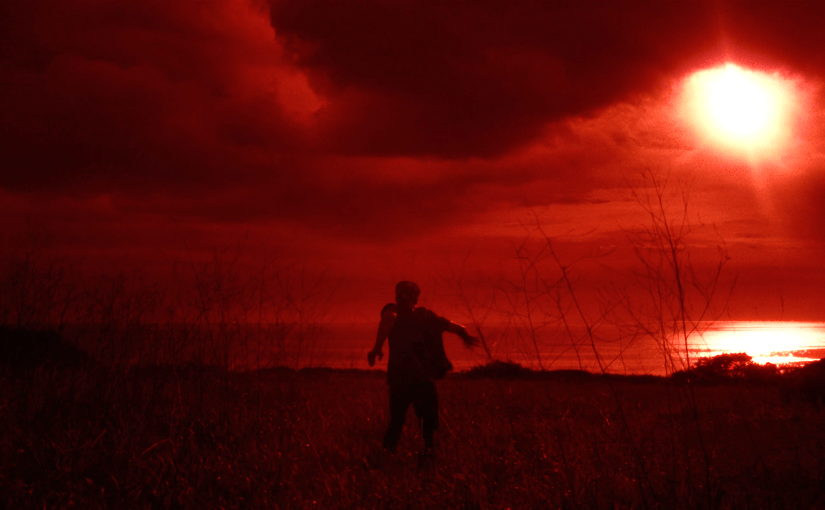
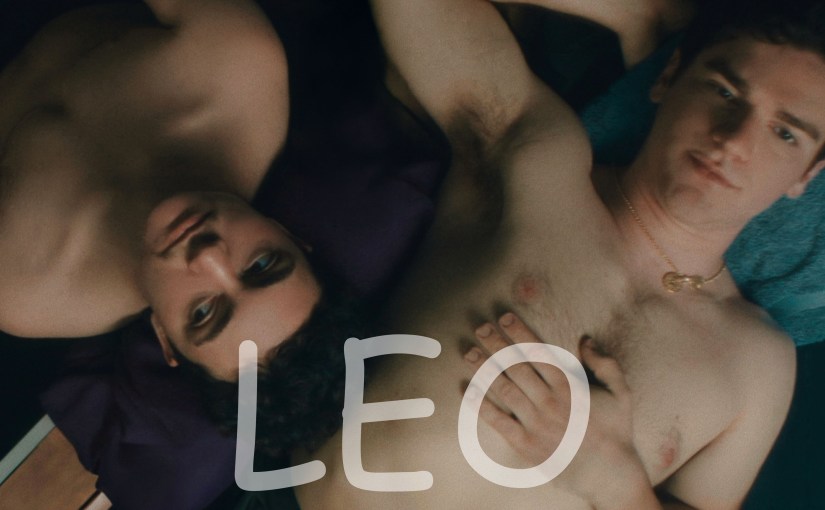
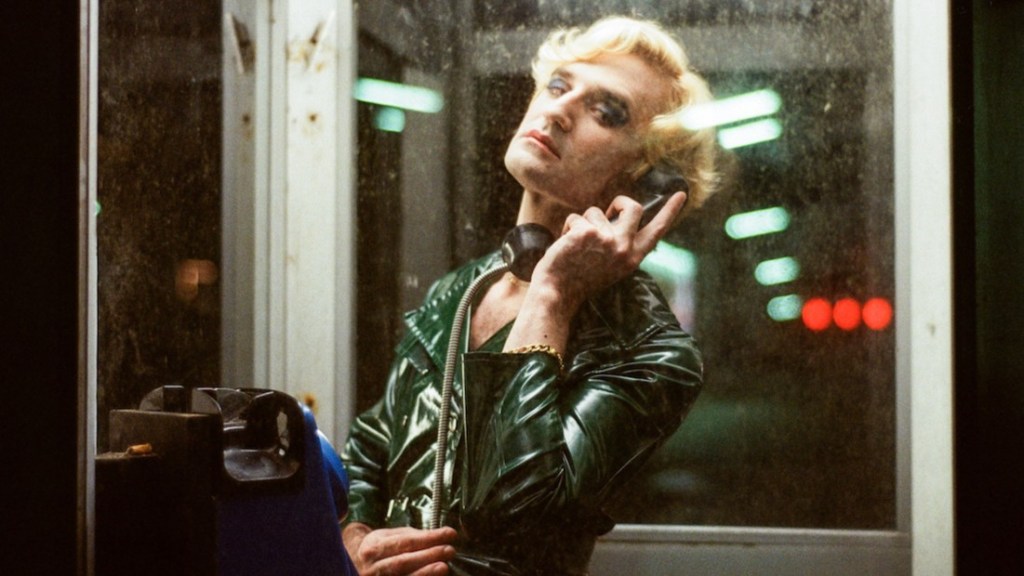
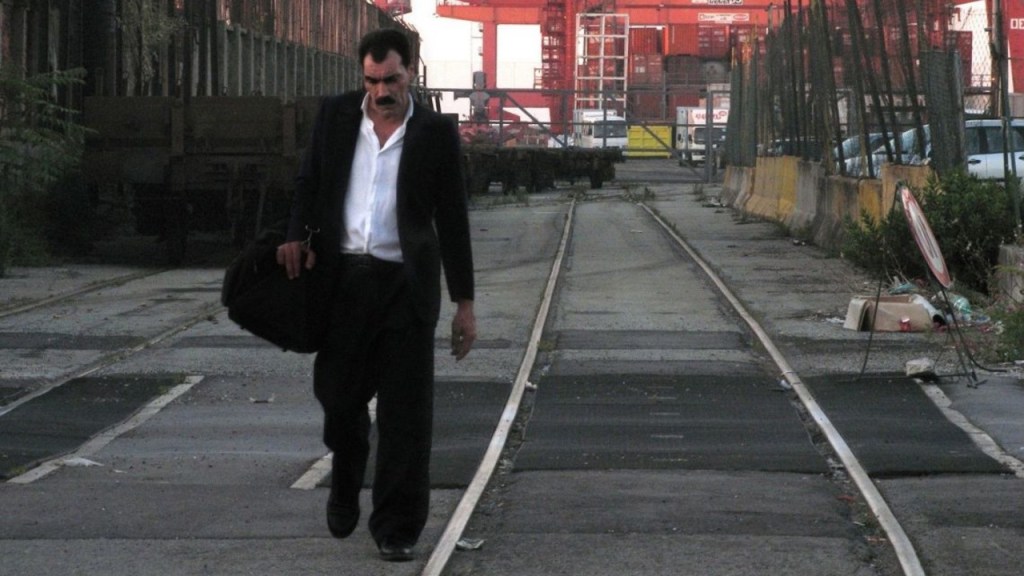
[IMAGE #3 — A wide São Paulo/nightlife/exterior still. Give the article some breathing room here rather than using another close-up.]
And then there’s São Paulo.
Not postcard São Paulo.
Queer São Paulo.
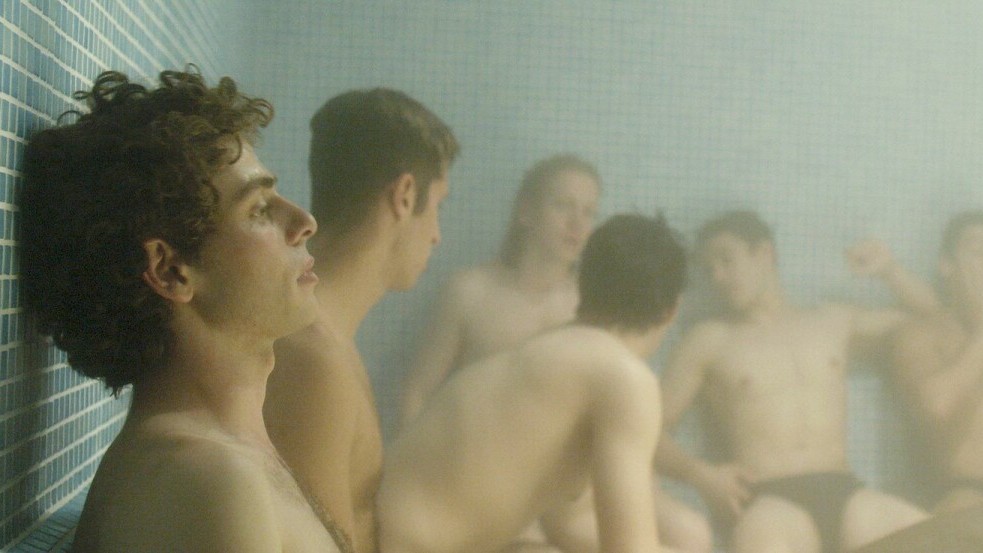
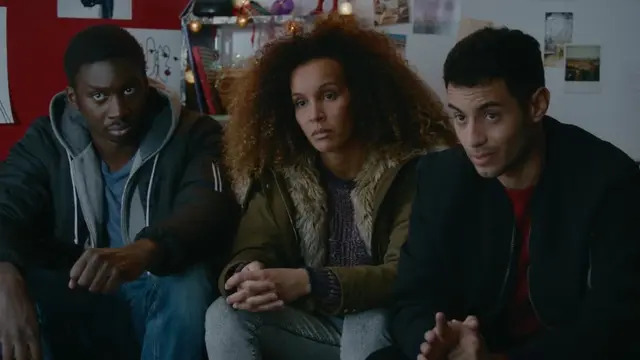
Apartments. Clubs. Streets. Hookups. Friends. Strangers. Sex. Money. The people you meet at 2 a.m. who somehow become part of your life by 2 p.m. the next afternoon.
The city isn’t simply where BABY takes place. It becomes part of Baby’s education.
He’s discovering that there is an entire world beyond the family that abandoned him — one populated by people who have created their own arrangements for love, sex, friendship and survival.
That’s one reason the movie feels so alive. BABY isn’t only interested in telling us that its characters are queer. It drops us directly into their lives and lets us spend time there.
For viewers interested in discovering more international LGBTQ+ cinema, Dekkoo’s gay movie collection includes films and series from around the world, with new releases added every week.
Ricardo Teodoro Is Hard to Look Away From
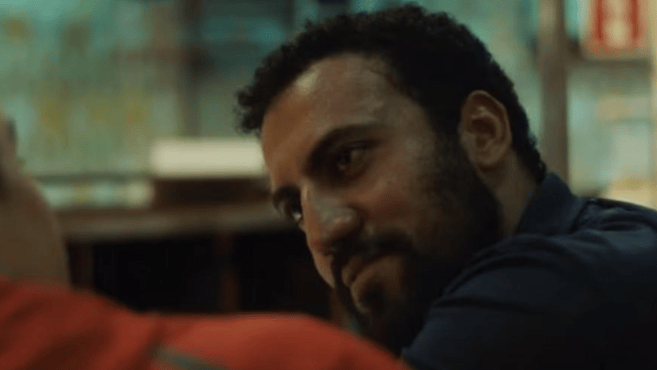
There is a reason Ricardo Teodoro became one of the film’s breakout stories.
As Ronaldo, he can be seductive in one scene, paternal in another and quietly unsettling in the next. Sometimes he’s all three.
The performance earned Teodoro the Louis Roederer Foundation Rising Star Award at Cannes, where BABY premiered as part of Critics’ Week.
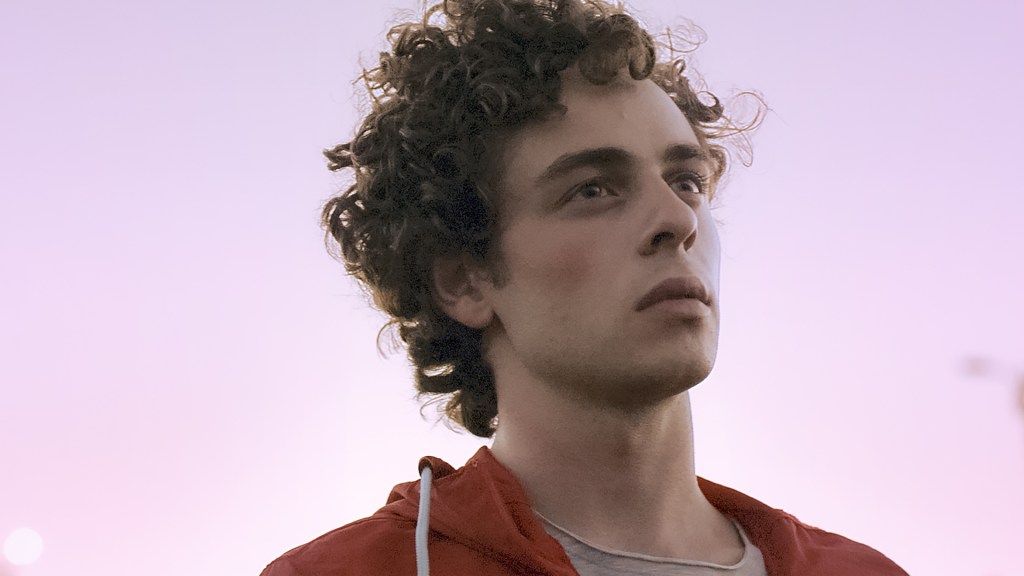
João Pedro Mariano has the more difficult job in some ways. Baby needs to feel inexperienced without being naïve, vulnerable without becoming passive. Mariano gives him a watchfulness that makes you feel like he’s constantly absorbing information — about Ronaldo, about sex, about the city and about himself.
Put the two actors together and the film finds its pulse.
And Yes, BABY Is Sexy.
We should probably mention that.
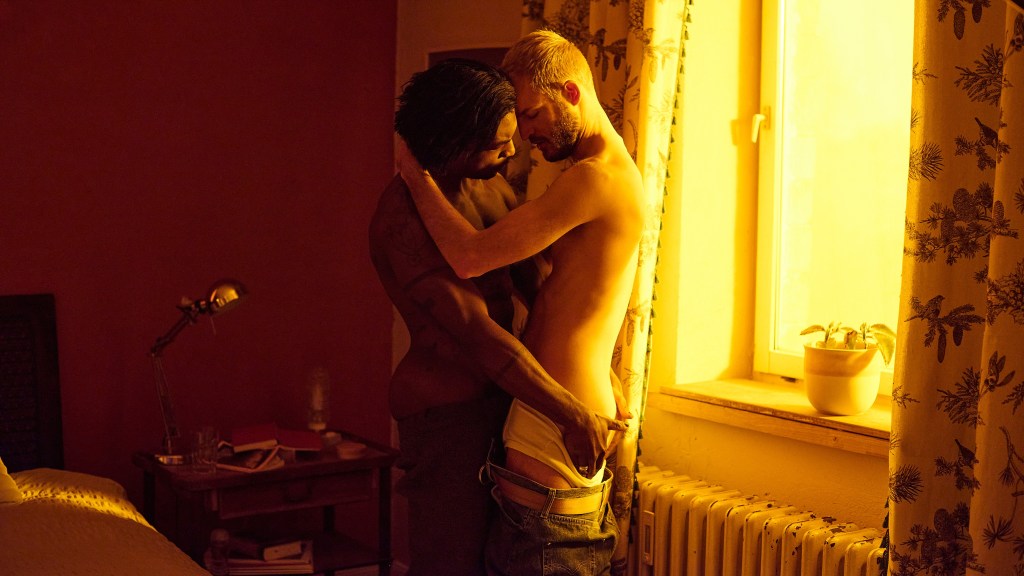
BABY deals openly with sex, attraction and sex work, and Caetano doesn’t treat desire as something happening off-screen while the important story takes place elsewhere.
Desire is part of the story.
But the film’s sexuality works because there’s something underneath it.
A touch can mean affection.
Or money.
Or power.
Or reassurance.
Sometimes Baby himself doesn’t seem entirely certain which one it is.
That tension gives the film considerably more bite than a conventional coming-of-age romance.
Come for the Heat. Stay for Everything Else.
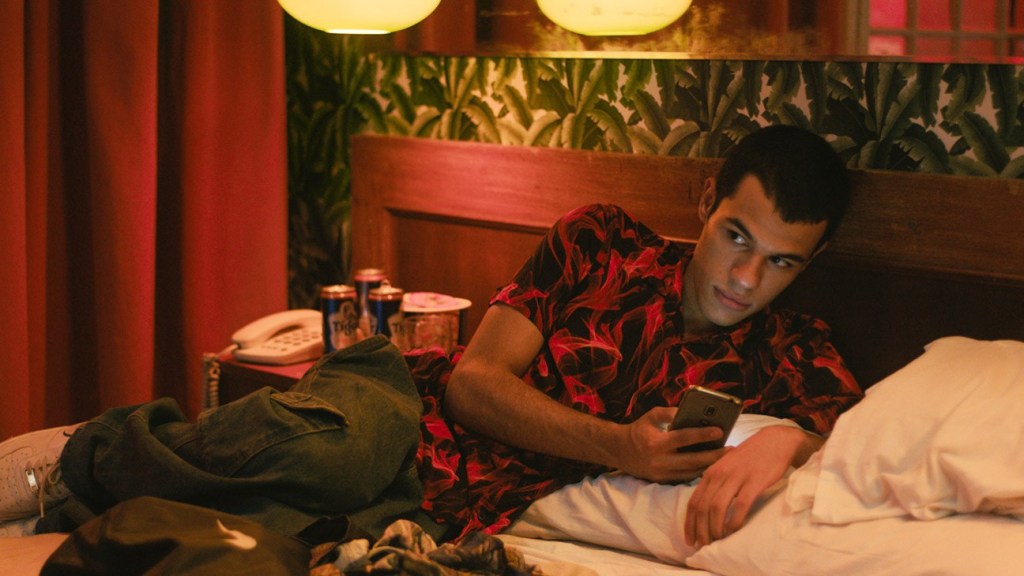
By the end, the title BABY starts to feel almost ironic.
Because this is ultimately a movie about a young man discovering that growing up isn’t one dramatic transformation. It’s a collection of choices — who you trust, who you sleep with, who you allow to call you family and when you finally decide that you’re capable of standing on your own.
It’s messy.
So is Baby.
So is Ronaldo.
That’s the point.
For anyone who loves adventurous gay cinema that is willing to be sensual, morally complicated and emotionally honest, this is an easy recommendation.
Better yet, you don’t have to wait for it anymore.
BABY is streaming now on Dekkoo.
Looking for something else after the credits? Explore hundreds of gay movies streaming on Dekkoo, or browse the latest movies available on Dekkoo.
Stream BABY on Dekkoo
New to Dekkoo? Explore gay movies and LGBTQ+ series from around the world and start watching today.