
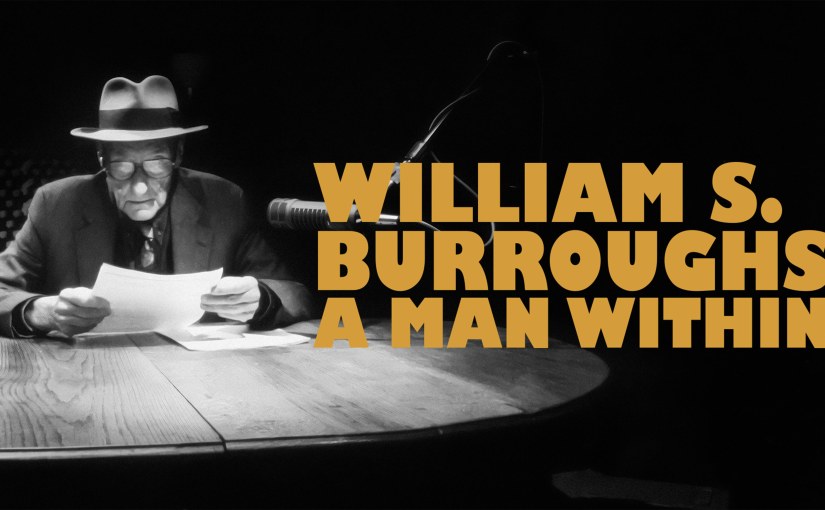
William S. Burroughs never fit comfortably into a single category. He was a novelist, provocateur, Beat Generation icon, cultural outsider and one of the most influential American writers of the 20th century. He was also a queer man writing openly about homosexuality, desire, addiction and life outside the mainstream at a time when doing so carried very real consequences.
The documentary William S. Burroughs: A Man Within, now streaming on Dekkoo, goes beyond the mythology to examine the complicated man behind Naked Lunch and the enormous influence he left behind.
An Outsider Who Changed American Culture
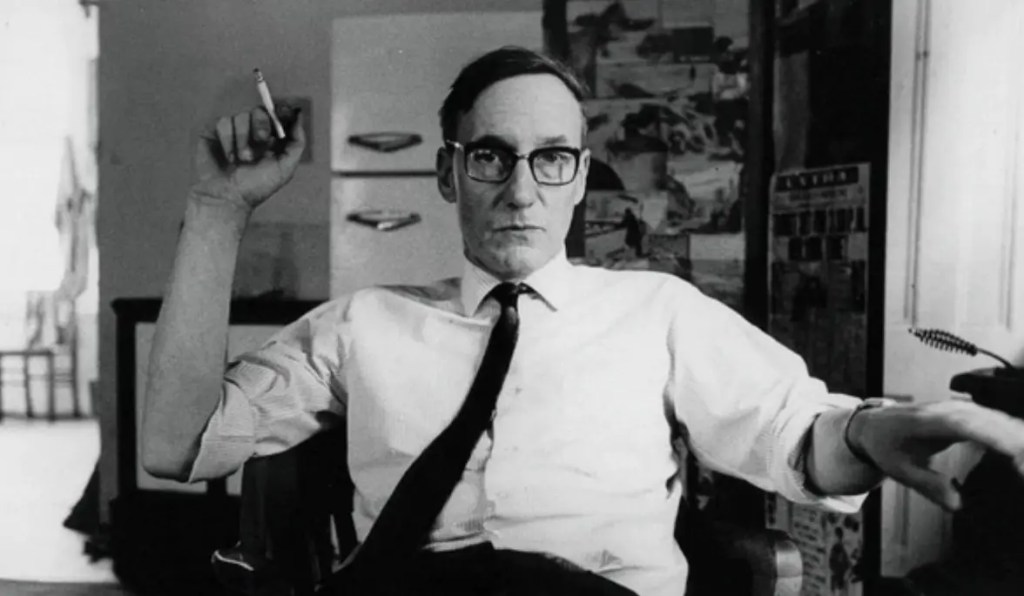
Born in 1914, Burroughs emerged alongside writers including Allen Ginsberg and Jack Kerouac as one of the defining figures of the Beat Generation. But even among a group famous for rejecting convention, Burroughs stood apart.
His writing confronted subjects that much of mid-century America preferred to keep hidden. Drugs, homosexuality, sex, power and control became recurring themes throughout his work.
His 1959 novel Naked Lunch became his most famous—and notorious—book. Its fragmented structure and explicit subject matter challenged conventional ideas about what a novel could be, while obscenity battles surrounding the book helped make Burroughs a symbol of artistic freedom and counterculture.
William S. Burroughs and Queer Identity
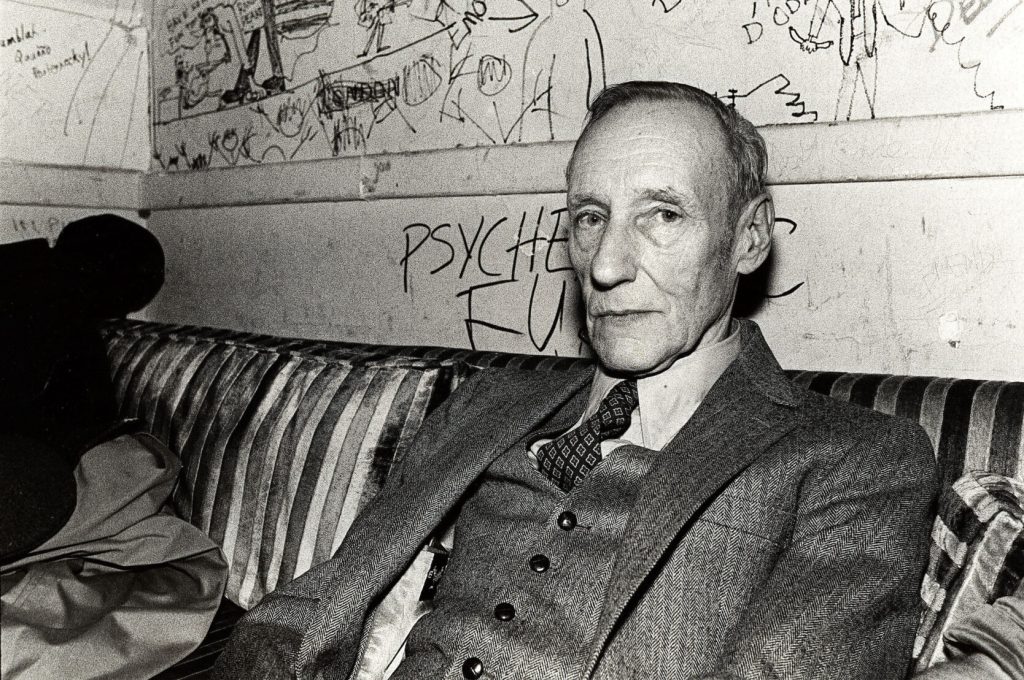
Long before LGBTQ+ stories had meaningful visibility in mainstream American culture, Burroughs was writing from his own experiences with homosexuality and desire.
His novel Queer, written largely in the early 1950s but not published until 1985, drew heavily from his life and explored the obsessive desire of its protagonist, William Lee, for a younger man named Eugene Allerton.
Burroughs’ sexuality wasn’t simply a biographical footnote. Queerness, alienation and the experience of living outside accepted social structures run throughout his life and work.
That history has found a new generation of viewers through Luca Guadagnino’s film adaptation of Queer, starring Daniel Craig. But decades before Burroughs’ work reached contemporary movie audiences, he was already pushing against the boundaries surrounding queer expression in American literature.
The Man Behind the Myth
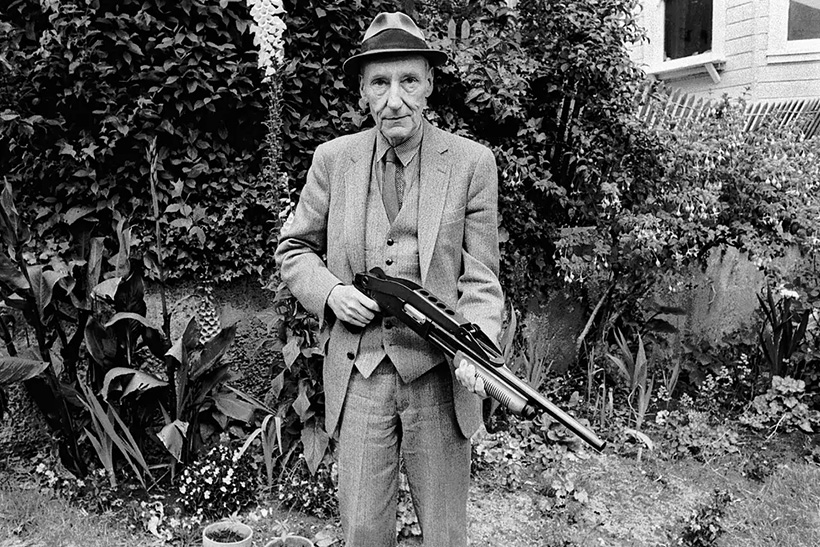
William S. Burroughs: A Man Within takes a remarkably intimate approach to a figure who could often seem deliberately unknowable.
Directed by Yony Leyser, the documentary combines never-before-seen archival footage with interviews from Burroughs’ friends, collaborators and admirers.
And the list of voices is extraordinary.
John Waters, Patti Smith, Iggy Pop, Gus Van Sant, Laurie Anderson, David Cronenberg, Sonic Youth, Jello Biafra and others reflect on Burroughs and the influence his work had on generations of writers, musicians, filmmakers and artists.
The result isn’t simply a portrait of a famous author. It’s an exploration of a man filled with contradictions—someone capable of influencing enormous cultural change while struggling throughout his own life with addiction, relationships, tragedy and questions of identity.
From Naked Lunch to John Waters
One of the most fascinating things about Burroughs is just how far his influence traveled.
His work reached beyond literature and became part of the DNA of punk, experimental music, independent film and queer counterculture.
That makes the people appearing in A Man Within particularly revealing. Filmmakers like John Waters, Gus Van Sant and David Cronenberg built careers challenging conventional ideas about sexuality, identity and acceptable subject matter. Musicians including Patti Smith and Iggy Pop similarly came to embody forms of artistic rebellion.
Burroughs helped create a cultural space in which that kind of transgression could flourish.
Even the screen history of his writing demonstrates his continued relevance. David Cronenberg transformed Naked Lunch into a surreal film in 1991, while Luca Guadagnino’s adaptation of Queer brought one of Burroughs’ most explicitly personal works to the screen more than seven decades after it was written.
A Complicated Legacy
Any portrait of Burroughs also has to acknowledge the darker parts of his life.
His decades of drug addiction profoundly shaped both his personal life and his writing. In 1951, he shot and killed his wife, Joan Vollmer, in Mexico City during an attempt at a drunken William Tell-style stunt.
Burroughs later connected the tragedy to his emergence as a writer.
A Man Within doesn’t erase those contradictions in favor of celebrating a countercultural hero. Instead, it looks at the addiction, relationships, failures and personal damage alongside the extraordinary cultural influence.
That complexity is part of what makes Burroughs such a compelling subject.
Discover William S. Burroughs on Dekkoo
More than a century after his birth, William S. Burroughs remains difficult to categorize—and perhaps that’s exactly the point.
He was queer before queer culture could comfortably exist in public. He wrote about addiction before American literature was prepared to confront it. He challenged censorship, conventional storytelling and ideas about who or what belonged in serious literature.
And his influence can still be found across queer cinema, independent film, music, literature and art today.
Stream William S. Burroughs: A Man Within now on Dekkoo and discover the complicated life and enduring influence of one of America’s most unconventional cultural figures.

