Paris, 1993. Jacques (Pierre Deladonchamps) is a semi-renowned writer and single father in his thirties trying to maintain his sense of romance and humor in spite of the turmoil in his life and the world.
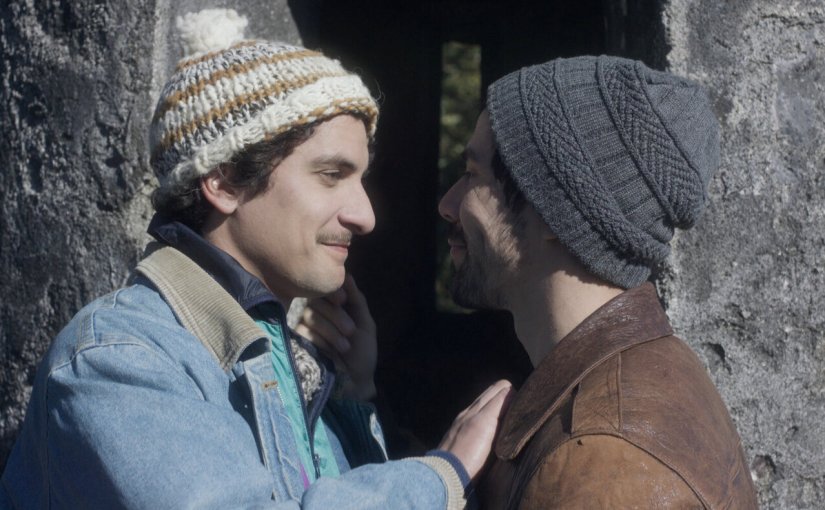
While on a work trip to Brittany, he meets Arthur (Vincent Lacoste), an aspiring filmmaker in his early twenties, who is experiencing a sexual awakening and eager to get out of his parochial life. Arthur becomes instantly smitten with the older man.
From writer-director Christophe Honoré (Love Songs, Dans Paris) comes a mature and deeply emotional reflection on love and loss, and youth and aging.
In its intergenerational snapshot of cruising, courtship and casual sex – Jacques’ forty-something neighbor Mathieu (Denis Podalydès) rounds out the triumvirate – Sorry Angel balances hope for the future with agony over the past in an unforgettable drama about finding the courage to love in the moment.
Watch the trailer for Sorry Angel below. The film is now available on Dekkoo.
Omar Zúñiga is an Audiovisual Director and B.A. in Aesthetics from Pontificia Universidad Católica de Chile, and also holds an M.F.A. from the Graduate Film Program at New York University, which he attended with scholarships from the Fulbright Program, Chile’s Ministry of Education and Tisch School of the Arts.
He directed Academy Award® nominee James Franco and Zach Braff in a segment of the film The Color of Time. He premiered his short San Cristóbal at the Berlinale in 2015, where it won Teddy Award for the Best Short Film.
His first feature, The Strong Ones, received both the Grand Jury Prize for Best International Narrative and the Audience Award at OutFest Los Angeles 2020.
The Strong Ones is now available on Dekkoo. Here’s some of what Zúñiga had to say about the film below.
What was the starting point for The Strong Ones?
I started writing in 2014. At that moment, I was living in the United States. I had directed various projects in English, and at that moment I strongly felt the need to make something that was much closer to my life experiences, to the culture I know, to the kinds of characters and lives that I wanted to represent. I wanted to tell a love story that was romantic and genuine, honest with the things that I know and that I have seen around me.
I also wanted to make a film that was current and political, in which these two men will not let themselves be pushed over by any hostility they may find around them, in which they are able to fight for their place in the world, for the dignity that they define for themselves. This hostility does not define them, their humanity does. The ways that they are different from each other, the ways in which they both try to get to another stage of their adulthood. For me, the film is a romance and also a coming of age, in which they both take risks, and in which they take steps to their own independence.
Films working on same sex relationships sometimes do it from the violence, the discrimination, the pain. What motivated you to take it from love? What difference does The Strong Ones have with other romantic films?
In a very deliberate way, when we had the chance to make this film, we wanted to focus our resources, our talents, our light, in telling a story that celebrated this love and the bravery these two characters have in front of the world, in a way that I have not seen enough of. Homophobia exists in Chile; it is brutal and painful. There are macabre attacks periodically, and there is still a social dimension to it as well. However, our focus is not on this violence, and in my opinion, the film presents in a plausible and realistic way the different reactions that they face around them: sometimes clumsy rejection, sometimes unconditional support, sometimes the town’s anonymous hostility. I feel that this is honest with our country in this moment in time and with the experiences that I know.
I also wanted to talk about a love that had no reservations. It is not a story of discovery, it is a love story that does not involve the idea of guilt, the idea of what they are doing is wrong. It does not cease to surprise me how many films that revolve around same sex relationships fall time and time again in the pattern of one the participants thinking or feeling that what they are going through is something that must be hidden. Even films that are received by mainstream audiences. This is ethically foul for me, and we wanted to remove ourselves from that. I wanted to celebrate their freedom, their autonomy, the courage they have when they allow themselves to be vulnerable with one another.
Finally, I also think that we are unconsciously trained by narrative conventions to expect epic narratives about love, where people leave everything behind for it. I wanted to tell a different story in this sense, more adult, closer to life, with a love that has other ways of being epic.
How was the casting process?
When I started writing the film I wanted to work with Antonio Altamirano: we had met years prior because we had made our first short film together, me as a director and him as an actor. There is a feeling of resilience and strength in Antonio the character, who is very clear with what he thinks, with defending his way of looking at the world. I am not sure why exactly, but I was confident that Antonio could bring this to the screen.
For the other character, Lucas, I was not so sure. It is a more mysterious character, who leaves some of his own shortcomings behind during the film. A common friend introduced me to Samuel González, and when we met, we connected very quickly, we talked about many things beyond the story in particular. We realized that in many ways, the film was as personal to him as it was to me, with experiences that we had both lived. I was very interested in that, and it made us trust each other profoundly.
We did not do formal auditions. For me, it was about the person behind the actor: the experiences that shape us as human beings, the things we have lived or the things we think about the world. I believe that inevitably that makes it to the screen somehow. With Marcela Salinas and Rafael Contreras, it was a similar process, and also with other actors that are featured.
Why did you choose the south of Chile as the context?
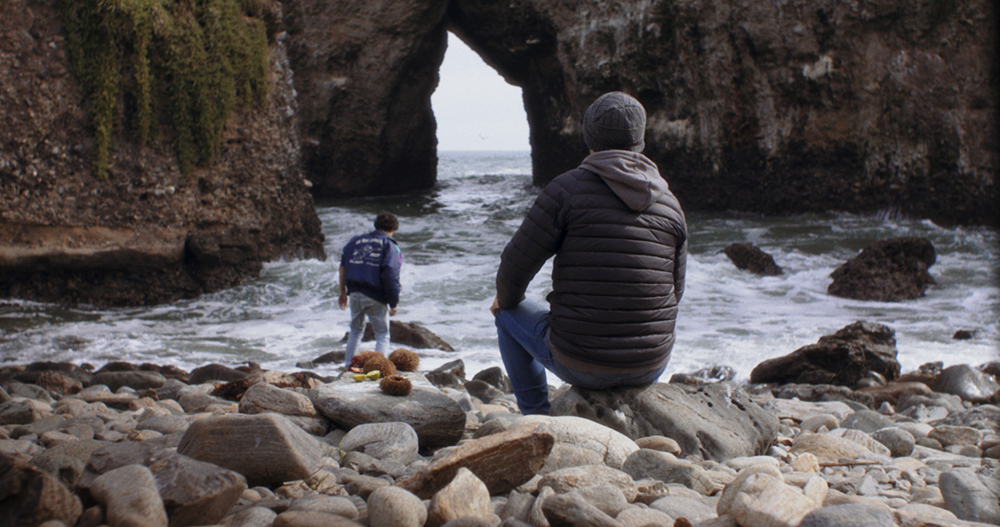
From the beginning I wanted the film to have that atmosphere, defined by the immensity of the ocean, and the omnipresence of the rain, the water and the forests. In the Corral Bay in particular there is also a system of Spanish forts that were key in the conquest period, and that centuries later were a part of the independentist movement. These buildings have been standing for centuries, resisting the waves crashing against them. I see them as a vestige of resilience, and in way this echoes the relationship between Lucas and Antonio, who have to resist other kinds of waves.
Also, I was interested in a very specific culture: the local fishing, marked by the dignity of the trade, by the stoicism and the fortitude, by the pride that a community has for the life it leads. This is embodied by Antonio, who defends his side of the river, his way of looking at the world, the life he chooses to carry. I think that sometimes there is a paternalistic view of the trades, or of the hostility: if you find it, change the life you have. I wanted to defend a different notion, conscious of dignity, conscious that all of us deserve to live the life we want in the place where our affections exist.
I spent a lot of time in the area in different occasions before the shooting, observing, visiting places and getting to know people. I wanted to make a portrait that felt authentic. I believe that the process previous to filming, which was years, was key for that.
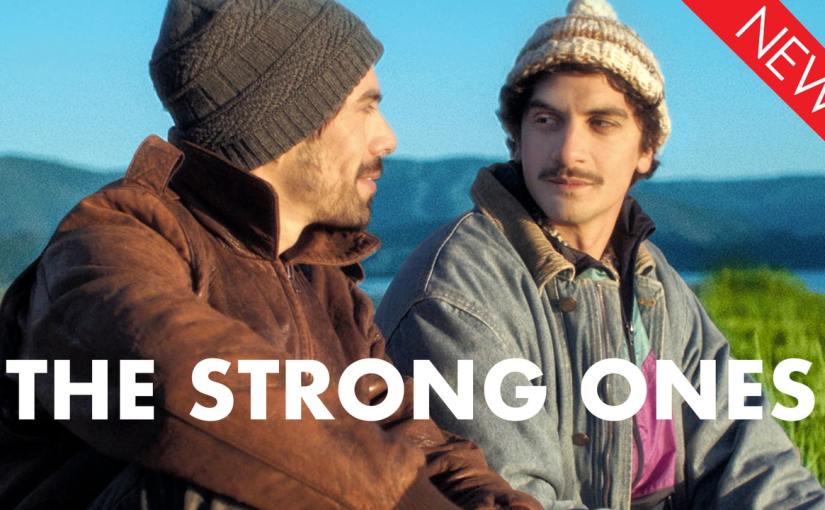
Based on the original short film San Cristóbal, which won the Teddy Award at the Berlin International Film Festival in 2015, writer-director Omar Zúñiga Hidalgo’s The Strong Ones tells a moving story of love and bravery at the end of the world.
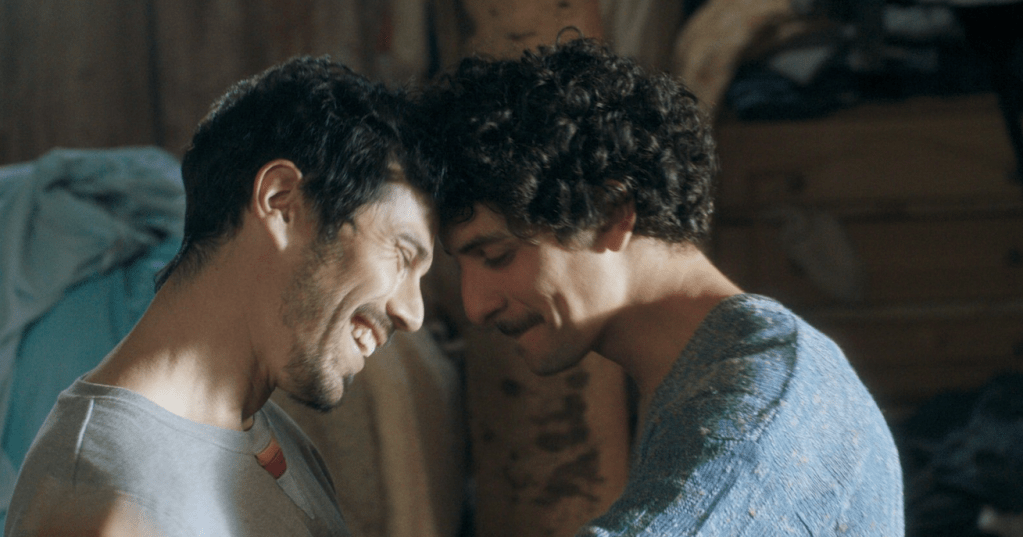
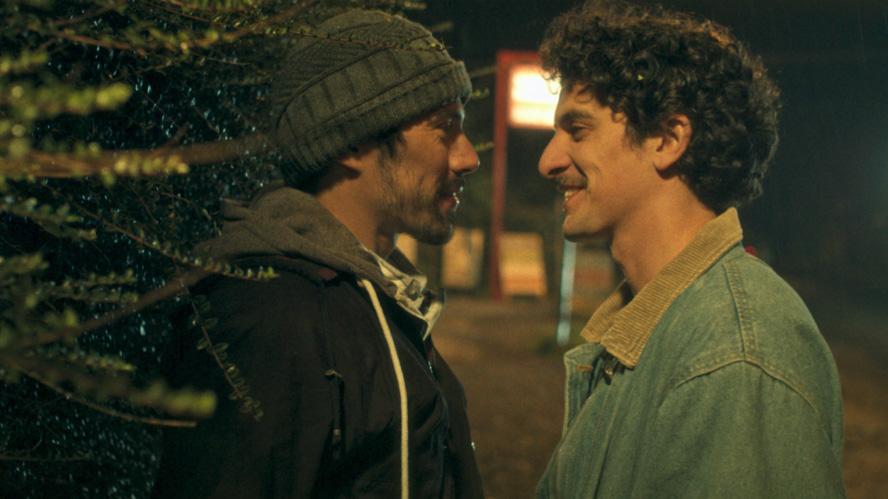
Lucas (Samuel González) travels to visit his sister in a remote town in southern Chile. In front of the ocean and the fog, he meets Antonio (Antonio Altamirano), a boatswain in a local fishing crew.
When an intense romance grows between them, their strength, their independence and their adulthood become immovable in front of the tide.
Winner of the Grand Jury Prize for Best International Narrative Feature and the Audience Award for Narrative Feature at OutFest Los Angeles in 2020, The Strong Ones is a film about two young men who are looking for their place in the world, that celebrates the love that they live, without reservations. It is also a political gesture, that talks about their freedom, their autonomy, and their resilience.
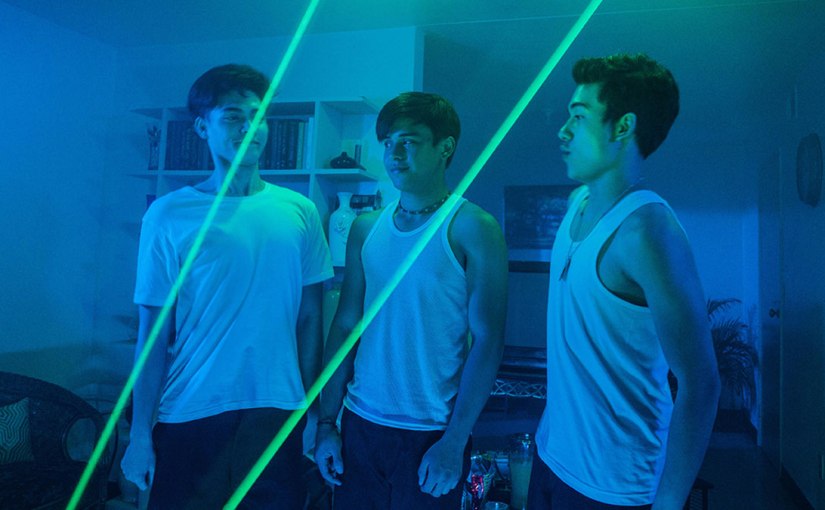
Felix Salonga (Khalil Ramos) is a friendless teenager from a poor background. His life is pretty much devoted to becoming the top of his class, thereby elevating his status.
Meanwhile, the handsome yet mysterious Magnus and Maxim Snyder (Ethan Salvador and Jameson Blake), half-American brothers, want nothing more than to escape from their life the Philippines and live in the USA.
As Felix develops a relationship with the brothers, he unearths desires within him that lead to unexpected and dangerous consequences.
Fresh, daring and playful 2 Cool 2 Be 4Gotten marks the promising directorial debut of Filipino director Petersen Vargas, an exciting new voice in Pinoy cinema.
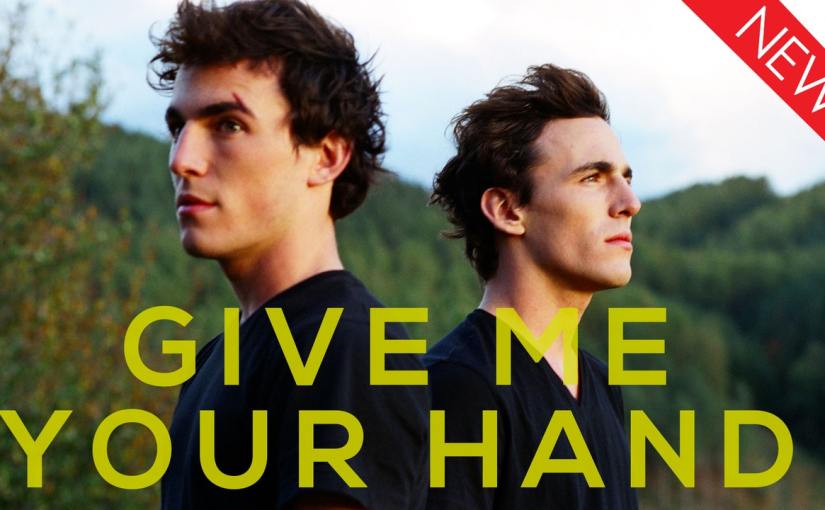
18-year-old brothers Antoine and Quentin (played by real-life twins Alexandre and Victor Carrilare) live with their father and work as bakers in a bucolic French village.
When their estranged mother dies in Spain, they set off to attend the funeral, without telling their father. The journey turns out to be more difficult than either had anticipated and a rift threatens to split the brothers apart.
Soon, Antoine and Quentin must struggle to accept each other as individuals, and to find their places in an uncertain world.
Inspired by road movies of the ’70s, Give Me Your Hand earned rave reviews when it was released internationally in 2008. TimeOut New York said it was “richly atmospheric.” Shadows on the Wall called it “a fascinating exploration of identity.” And LondonView called it “a beautifully made, thought-provoking and ultimately moving film.”
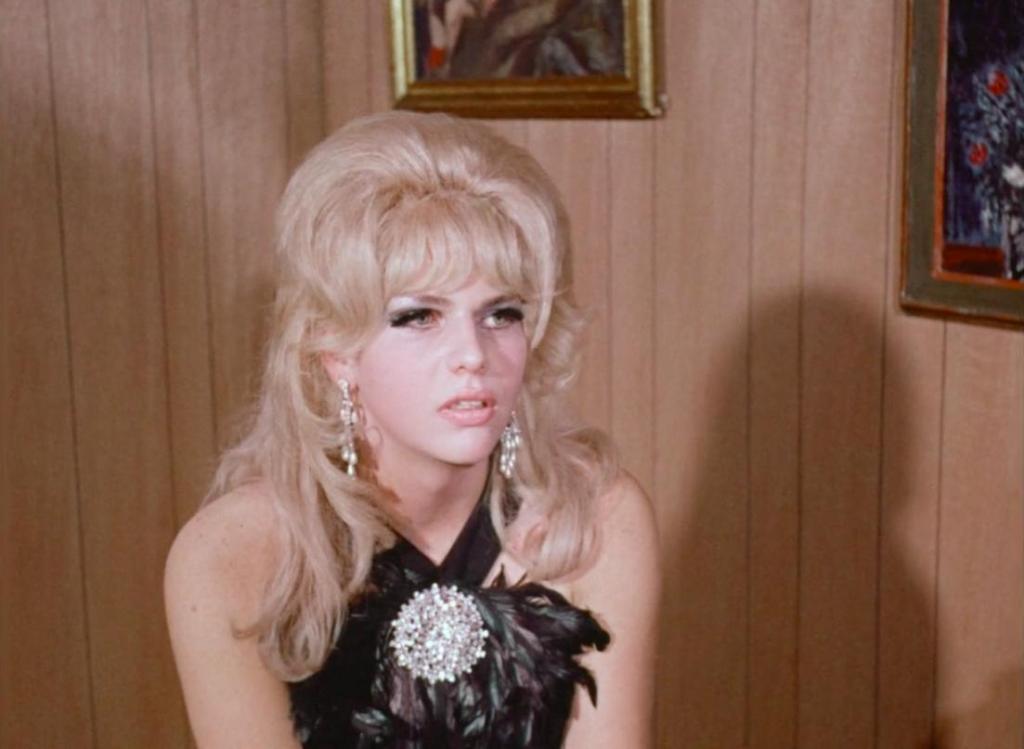
For contemporary LGBT viewers, Queens at Heart offers a vivid and compelling lens on how far we have come as a movement while also giving a deep (and wildly entertaining) understanding of what it was like to be transgender at a very different time in history. There are very few filmed images by or about LGBT people before the Stonewall Riots of 1969. There were especially few portrayals of trans lives and experience in this era. The two other films that come to mind from this period are: the remarkable feature documentary, The Queen (1968) and the short documentary portrait of an African American trans woman, Behind Every Good Man (1967). (While the 1970 dramatic feature, The Christine Jorgenson Story is at least somewhat well intended, it primarily comes across as lurid and sensationalist.)
Produced in New York City in 1967, this amazing 22-minute short introduces us to Misty, Vicky, Sonya and Simone — four courageous trans women who candidly discuss their personal lives with a lurid male interviewer who claims to have spoken to “thousands of homosexuals” (and who clearly doesn’t understand the difference between sexual orientation and gender identity). The film offers an extremely rare and poignant glimpse into pre-Stonewall queer life as it takes us to a New York City drag ball and follows the women through their daily lives. They talk about their double-lives — going out as women at night but living as men during the day, and about how they take hormones and dream of “going for a change.” One talks about avoiding the draft, another about her fiancé and another about the torment of childhood as an effeminate youth.
“We know that homosexuality is a psychological aberration that should be treated,” proclaims the interviewer as the film ends. Shifting to a surprisingly sympathetic tone he then concludes with the provocative challenge, “but what about those who don’t want to change? Who are we to judge?” This flip-flop perfectly encapsulates the film’s schizophrenic combination of attitudes as it alternates between luridness and validation, judgment and empathy.
Of course it is extremely significant for us to be able to look back and see this rare portrait of four wonderful trans women being so candid and courageous in the years before Stonewall. Queens at Heart is especially remarkable for how candid and brave the women are in expressing themselves so vulnerably when we can tell that the film was produced more as an exploitation film than as a serious documentary.
As a film historian and archivist I’ve unearthed many films over the years. Queens at Heart is the most significant on every level. It is a film that had been essentially lost to us — with nothing having previously been written about it in LGBT film literature. As a glimpse at pre-Stonewall queer life it is remarkable: from the wonderful footage of the drag balls and gay men dancing together to the provocative interviews with transgender women which are truly jaw-dropping in their candor. The power of this film for bringing us face to face with our forebears (and queer life in 1967) is absolutely incredible, and the film is of even greater interest in this era of increased trans awareness and activism.
Queens at Heart is a tremendously valuable archival portrait of pre-Stonewall trans women — their candor and courage are a true gift and this is a must-see film for anyone interested in transgender history.
About Jenni Olson: Jenni Olson is an LGBT film historian, archivist and filmmaker based in Berkeley, California. Her work as a film historian includes the Lambda Award nominated The Queer Movie Poster Book (Chronicle Books, 2005) and her many vintage movie trailer presentations (Homo Promo, Trailer Camp, etc.). She is on the Advisory Board of the Outfest UCLA Legacy Project for LGBT Moving Image Preservation.
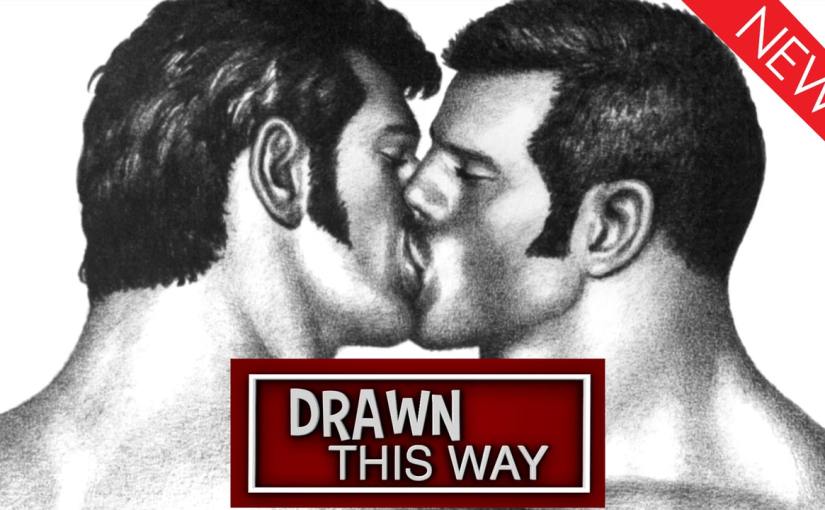
Drawn This Way is a one-hour documentary which dives into the pages of gay comic book characters and their creators.
In the studio, in the comic book shops, at the fan-crazed conventions and at home with the artists, author-actor-producer-director Charlie David finds out what it means to be a “Doorq,” how to come out of the closet as a HGN (hot gay nerd) and where our drawn adventures will take us next.
When did all this “g(art)” start? Is it a sexual turn-on? How did the artists get their start? What do their families and friends think? Is it pornography? Why the obsession with these fantastical stories and characters? Are they taken seriously in the mainstream comic world? All these questions and more are answered in this frank and fascinating new doc.
Watch the trailer for Drawn This Way below. The film is now available on Dekkoo.
Two very different young men come together in Here Comes Your Man, a brand-new Dekkoo Original Series that follows their relationship, from beginning to end.
When Jordan (Calvin Picou) and Aaron (Jason Alan Clark) meet in person after exchanging pics and pleasantries on a hook-up app, it’s nervous attraction at first sight. Their initial tryst is fraught with the kind awkward tension that suggests they might not be a perfect match.
On top of that, Aaron is unaware that Jordan is, for all intents and purposes, “straight.” Confused about his sexuality and faking his way through a hetero relationship, Jordan blocks Aaron’s number. When they run into each other in a gay bar weeks later, the truth comes out… and they both find that there is something undeniable about their strange romantic chemistry.
A charming, funny, sexy and refreshingly realistic new 5-episode Dekkoo Original Series from creator/director Omar Salas Zamora, Here Comes Your Man takes us through the entirety of Aaron and Jordan’s tumultuous relationship, jumping father forward in time with each successive episode to show us the most pivotal moments.
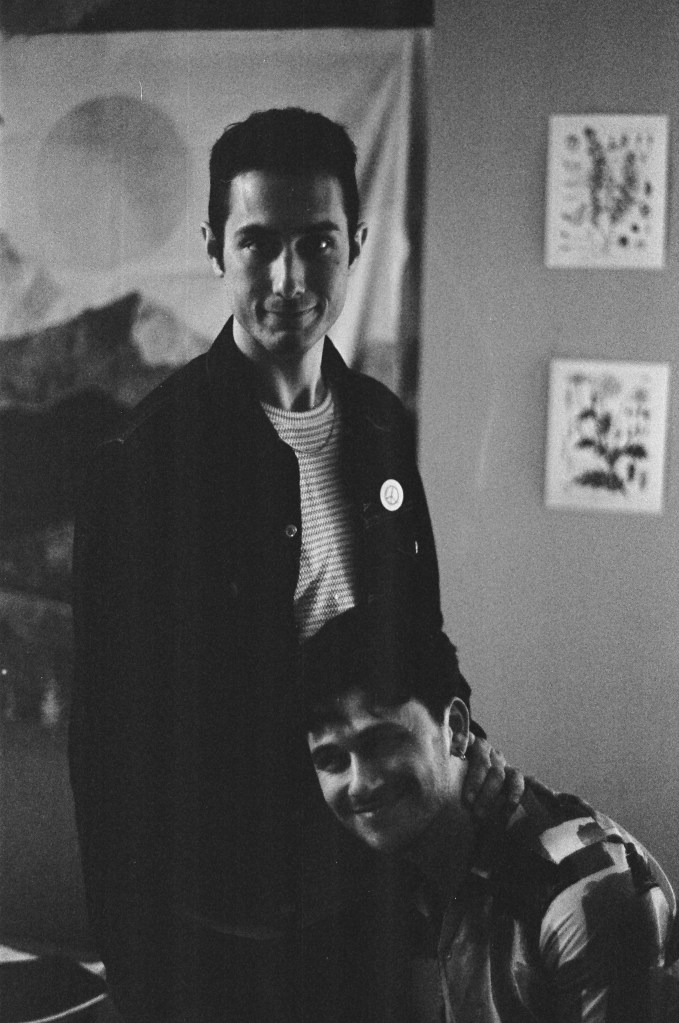
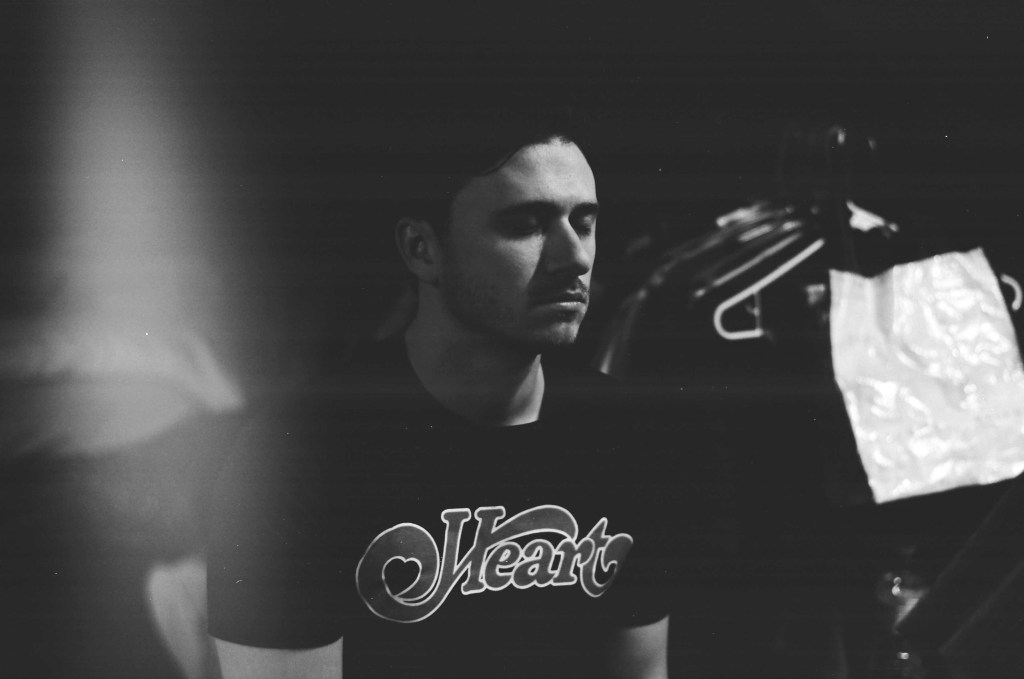
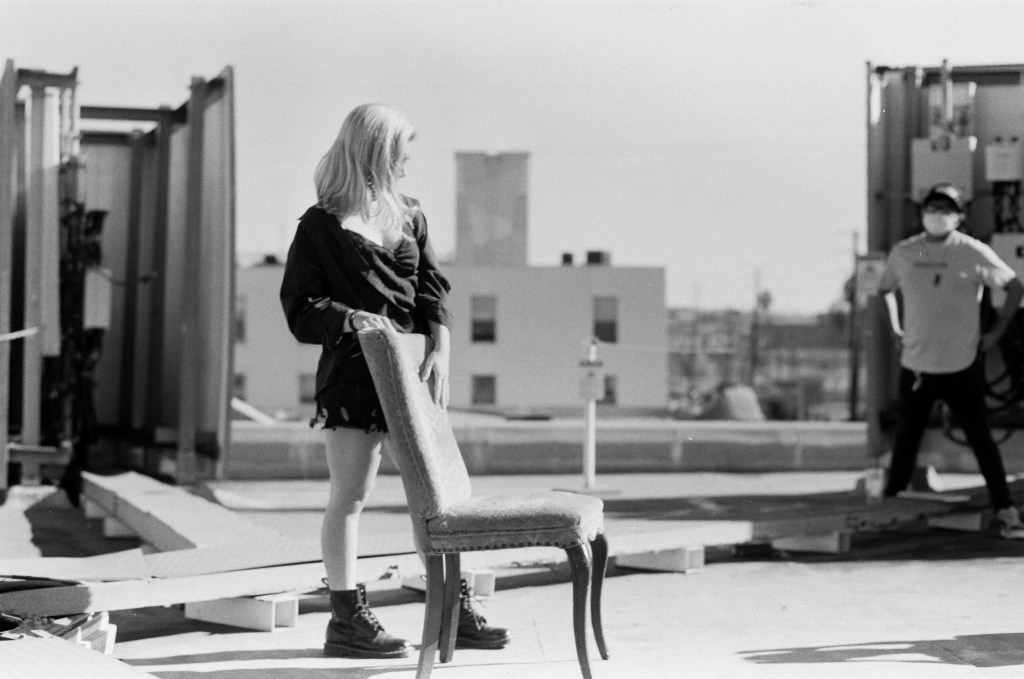
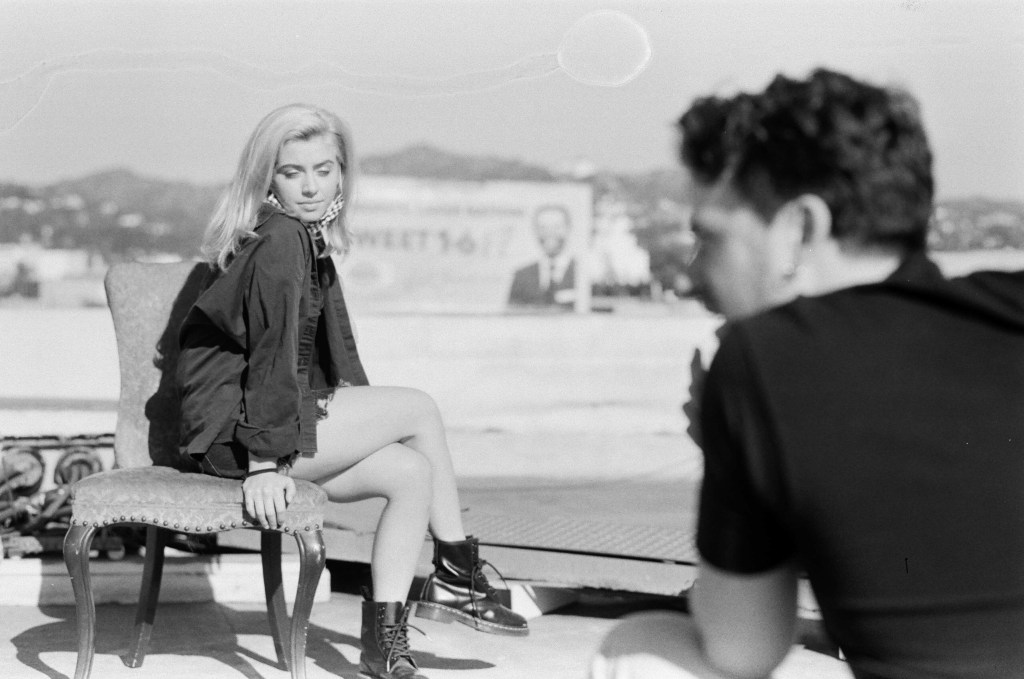
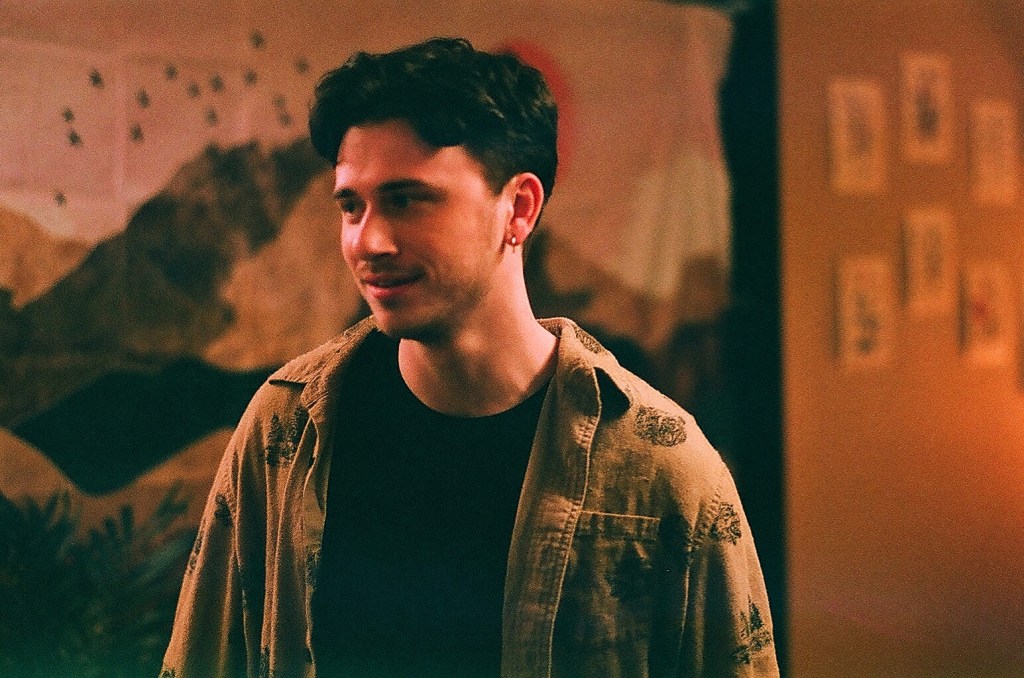
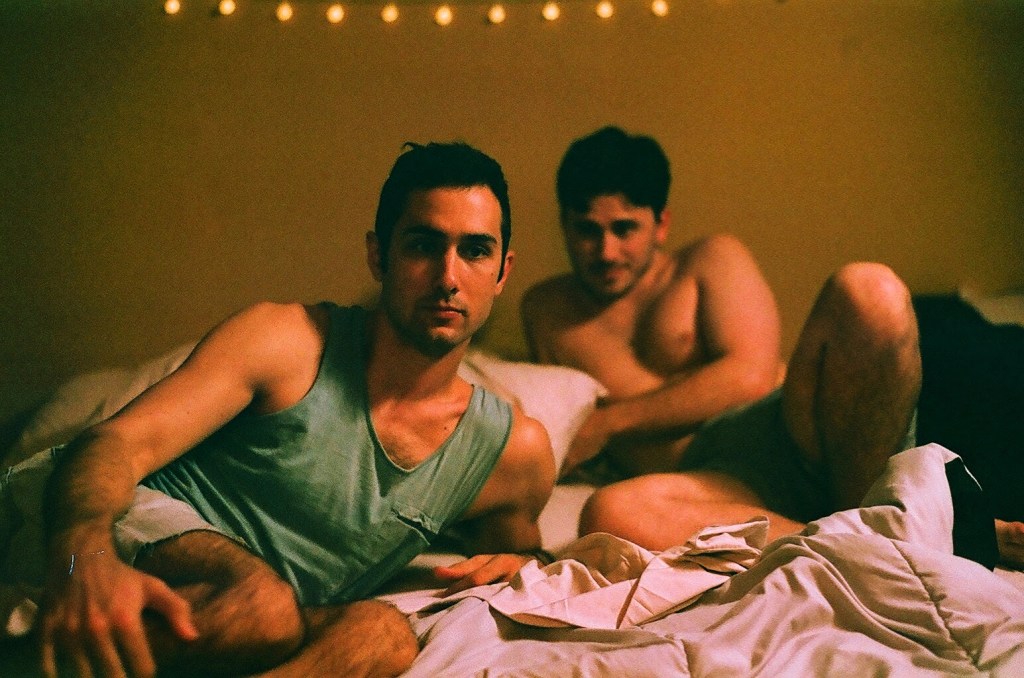
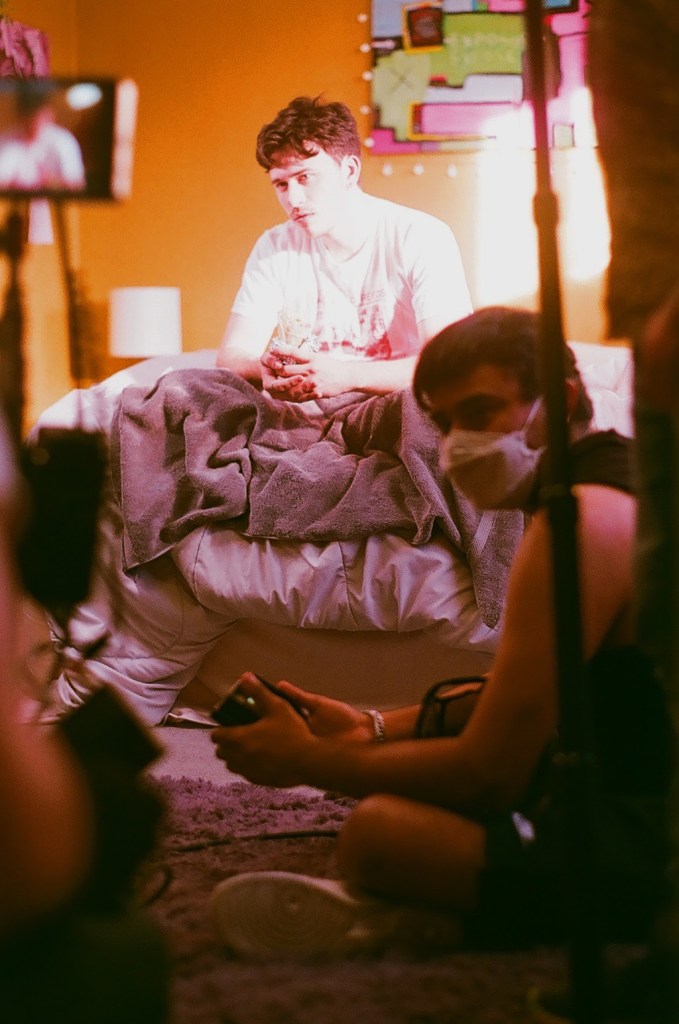
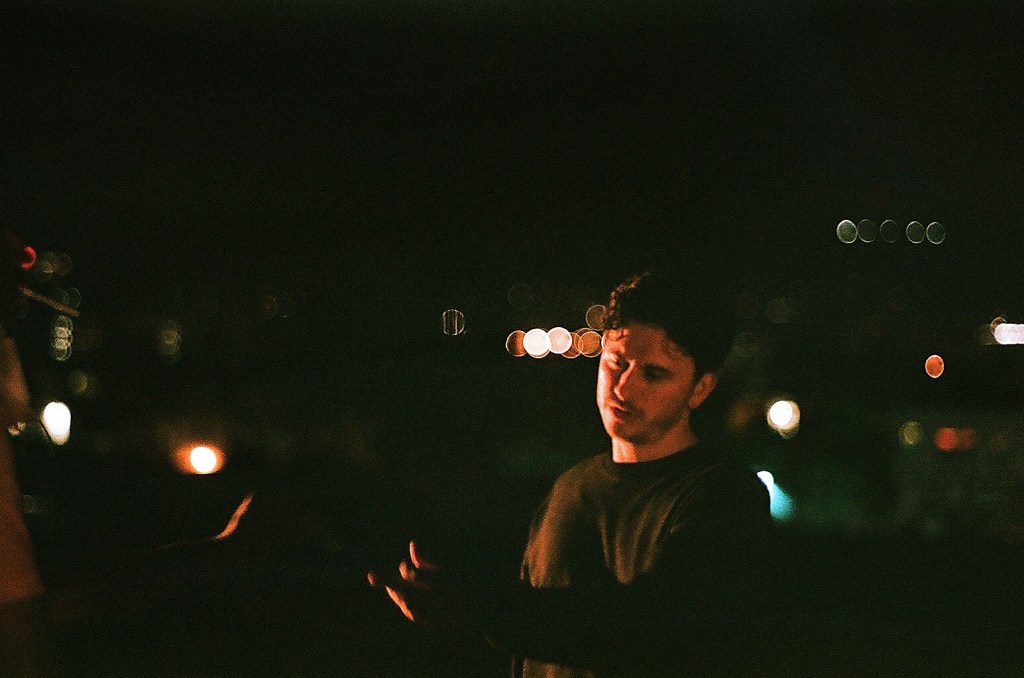
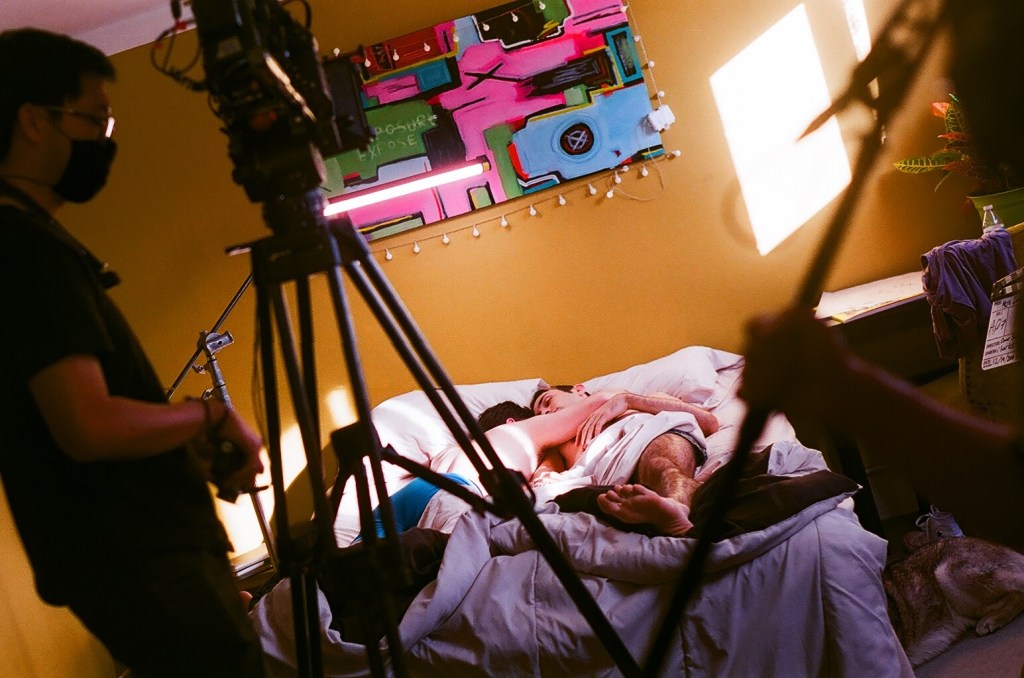
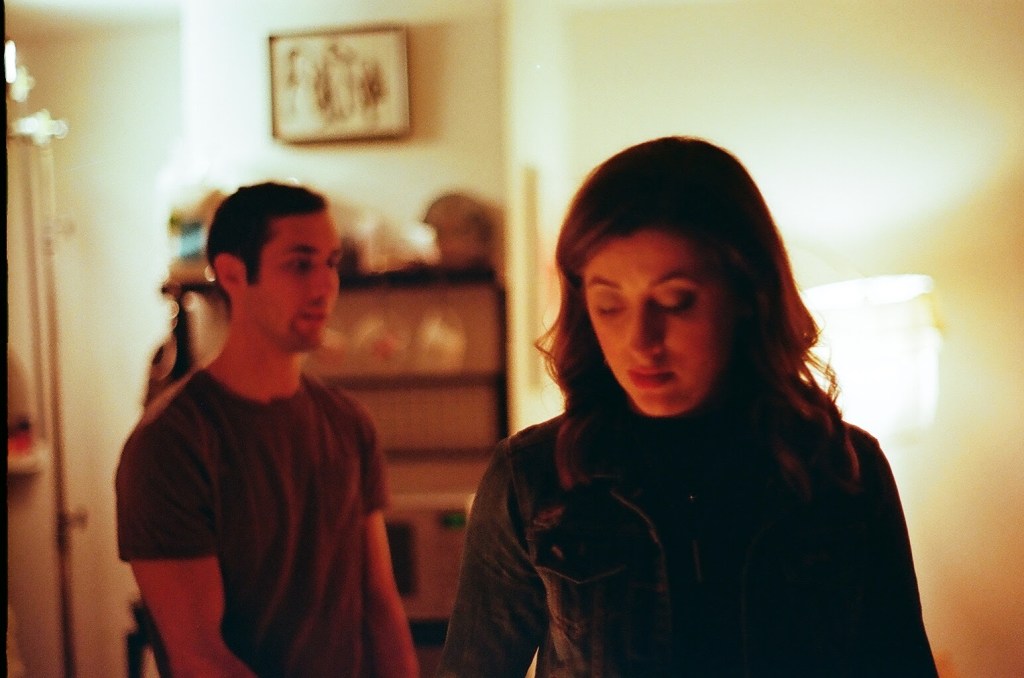
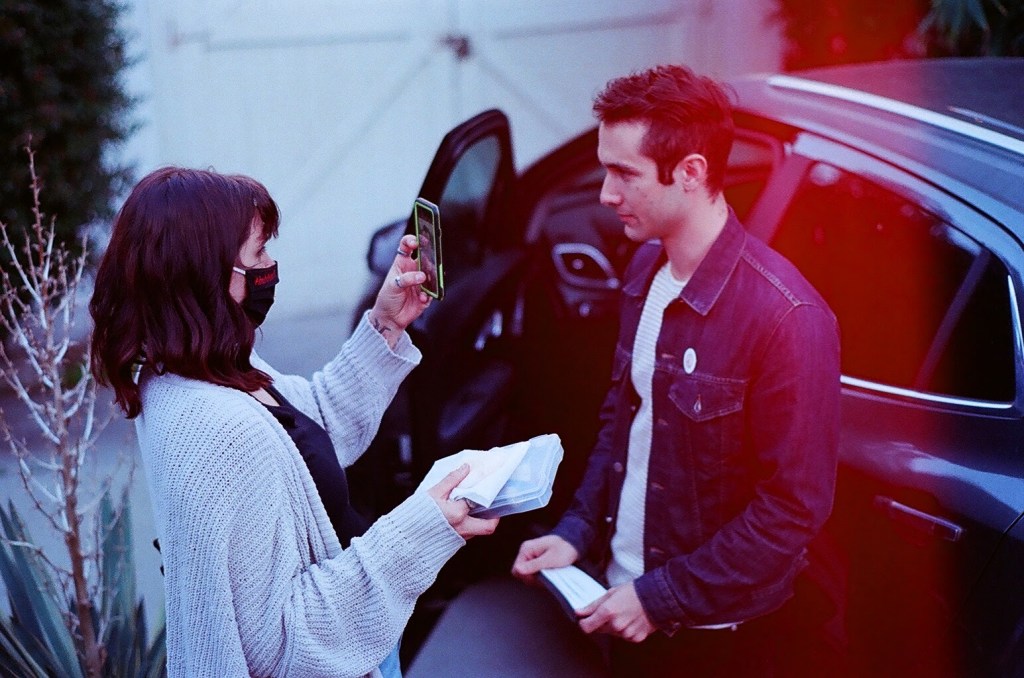
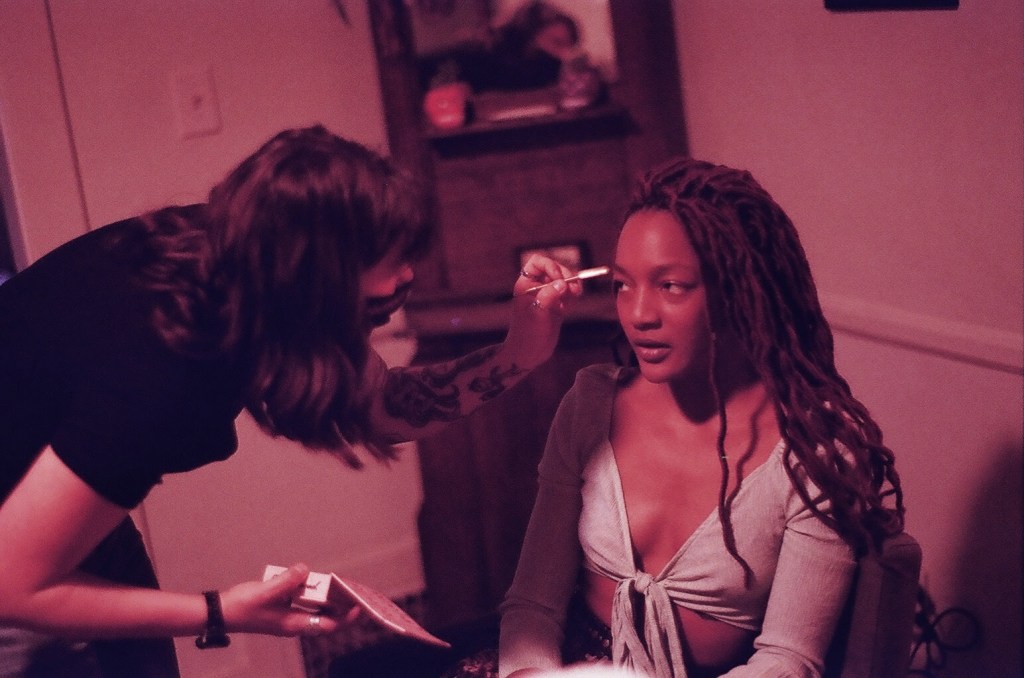
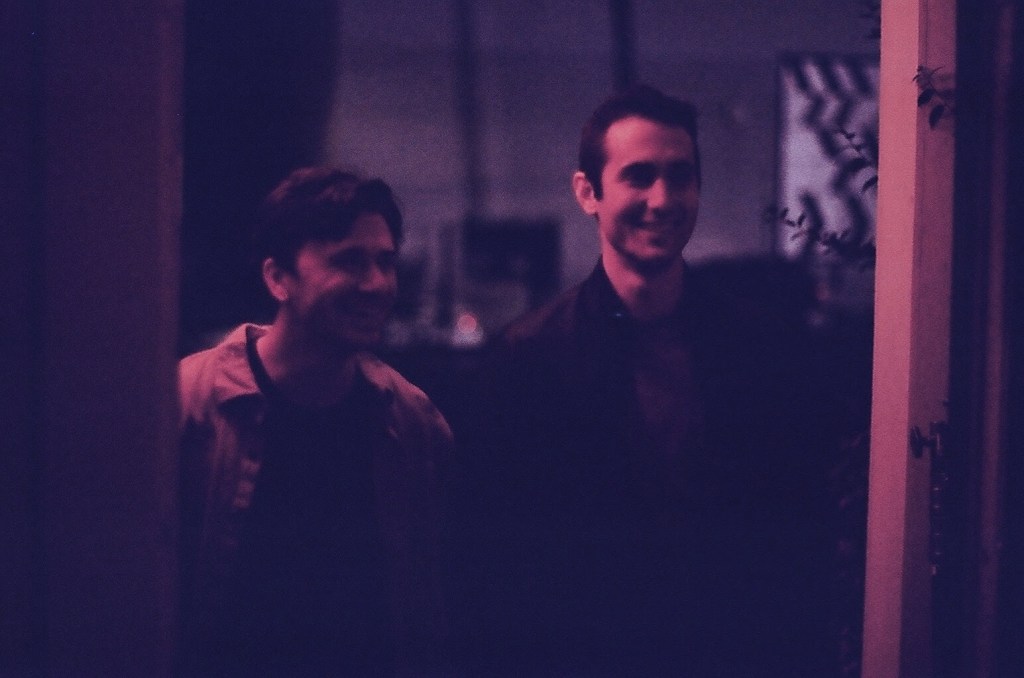
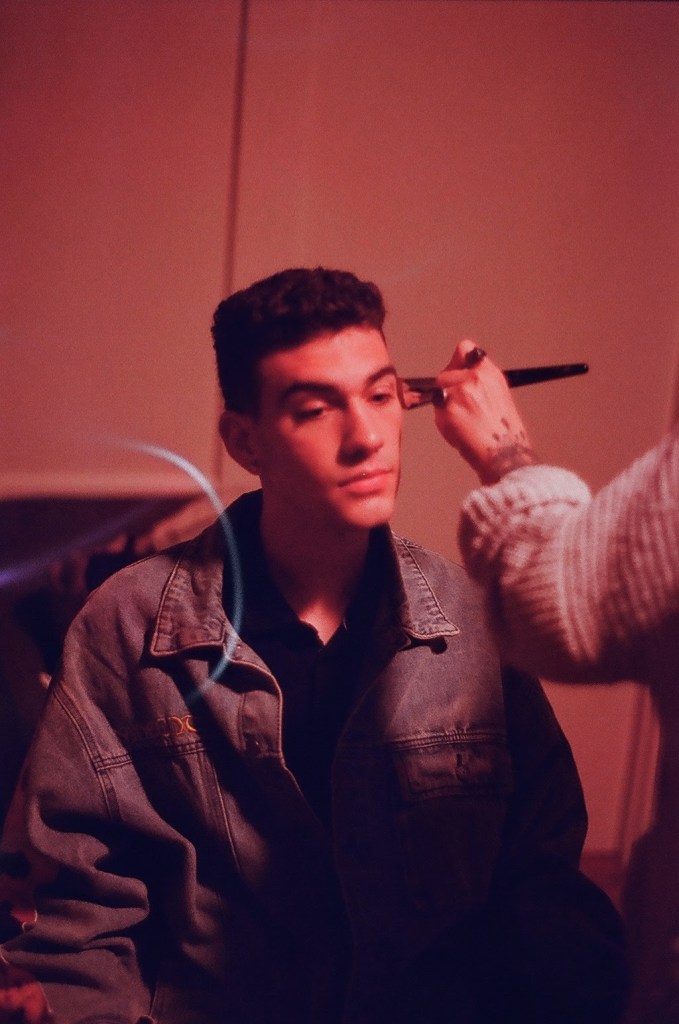
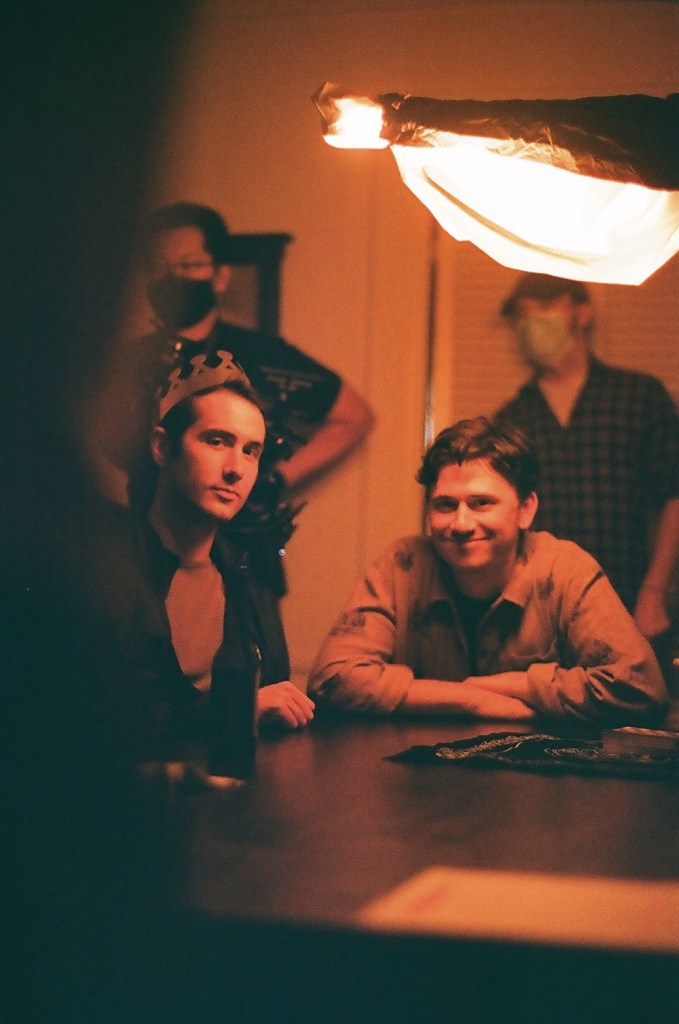
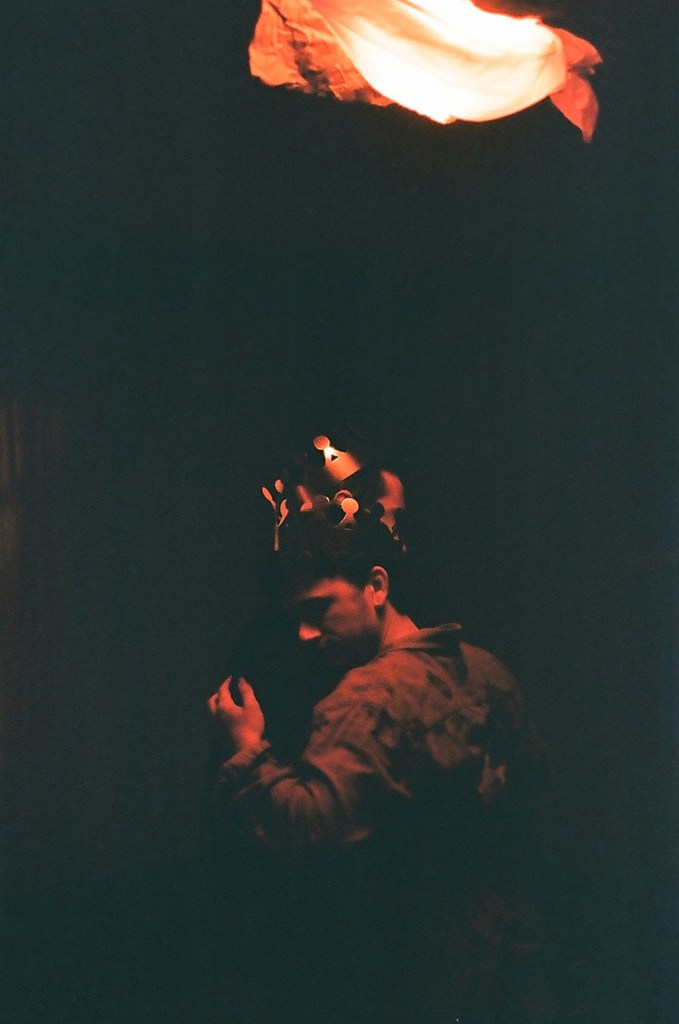
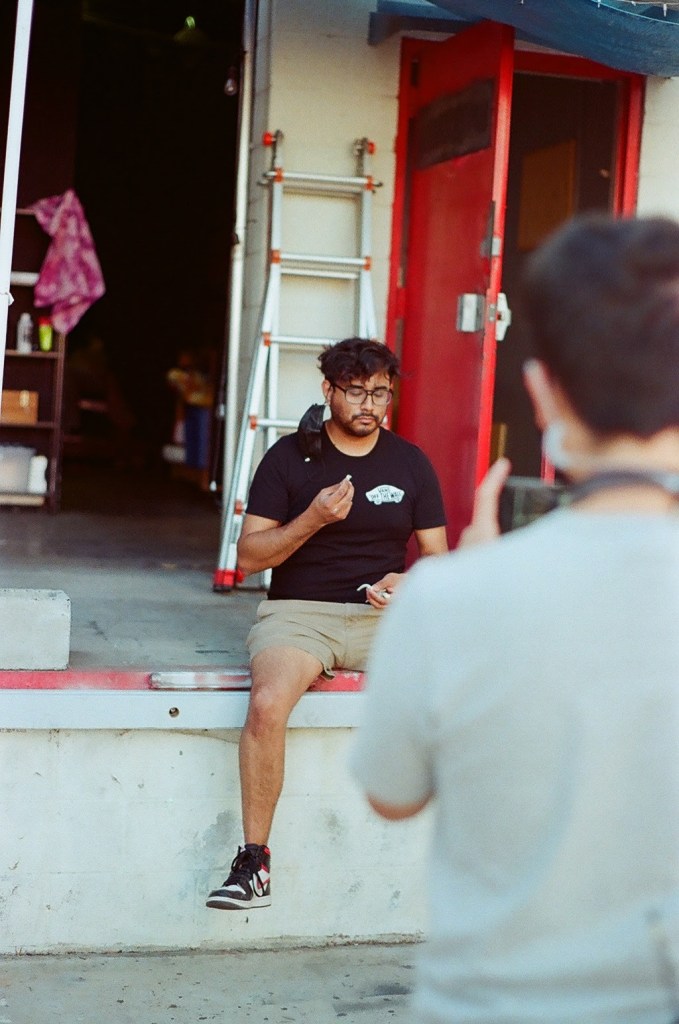
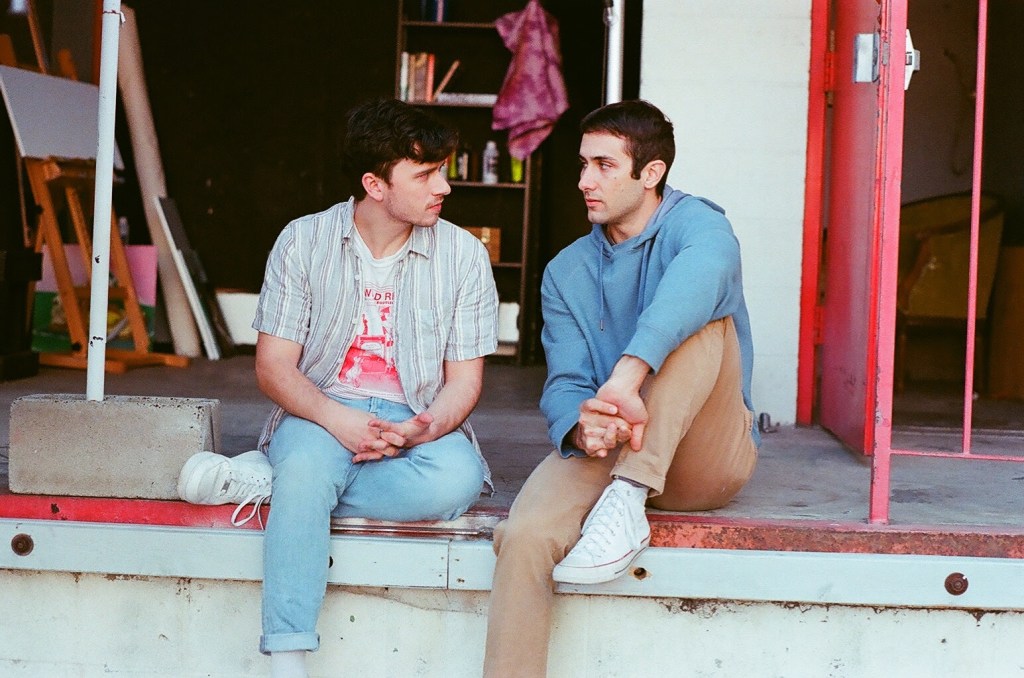
The full first season of Here Comes Your Man will be available on Dekkoo starting June 24th. As an extra special sneak peak, we’re giving you a look at an extensive collection of behind-the-scenes photos below. Make sure to mark your calendar for the series debut and keep checking back for more updates and exclusives!
How do you love someone if you don’t show who you are?
Twenty-year old Lukas (Rick Okon) is a prisoner in his own body. As a pre-op trans person, he is constantly finding himself trapped in uncomfortable, compromising positions.
His best friend, Ine (Liv Lisa Fries) introduces him to the gay scene in Cologne where he meets the confident and gorgeous, Fabio (Max Befort). The two develop a romantic relationship that tests the boundaries of love.
Originally released in 2011, this critically-acclaimed debut feature from German writer-director Sabine Bernardi forgoes stereotypes and conventions to offer an honest and humorous examination of the most basic of human conditions: friendship, sex, and love.
Watch the trailer for Romeos below. The film is available now on Dekkoo.
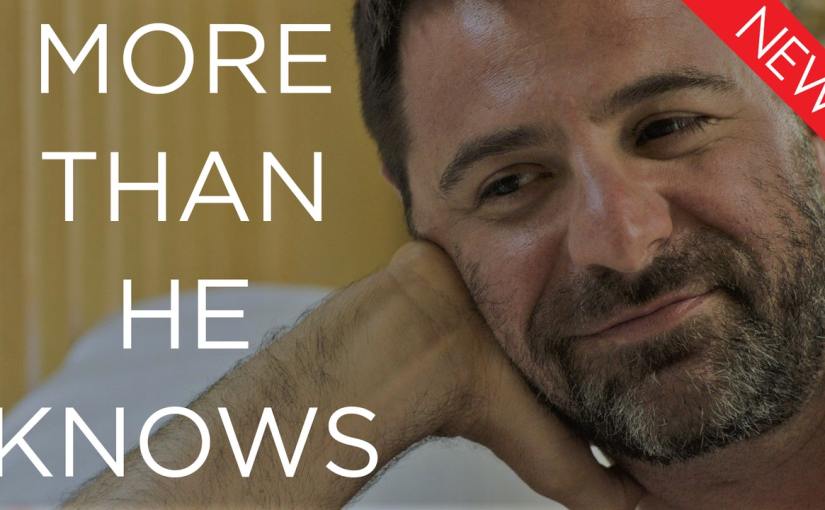
Ryan (screenwriter Chris McNeany) and Taya (Helena-Alexis Seymour) have a happy and loving marriage. When they go on a routine staycation, Ryan instantly connects with a man (Julian Fletcher) at the hotel pool.
Conflicted by this attraction, Ryan explores a part of himself that he has long suppressed. This encounter opens up the chance for a whole new level of honesty between Ryan and Taya, if they are willing to explore bisexuality and an open relationship.
From director Fiona Dawson, the new 13-minute short film More Than He Knows examines the complexity of human connections; our self-awareness, awareness of others, the spectrum of sexuality and models of marriage.
































 Discover great gay stories.